Written by Steve Griswold — Sandals Certified Platinum Elite Advisor and founder of Pixie Vacations. Steve has personally visited all 17 Sandals and Beaches resorts across the Caribbean.
The Cayman Islands are one of the Caribbean’s most fascinating destinations — a place where centuries of maritime history meet modern luxury, world-class diving, and some of the most beautiful beaches in the Western Hemisphere.
A Brief History of the Cayman Islands
The Cayman Islands — Grand Cayman, Cayman Brac, and Little Cayman — were first sighted by Christopher Columbus on May 10, 1503, during his fourth and final voyage to the New World. Columbus originally named them “Las Tortugas” after the large sea turtles he saw in the surrounding waters. The name was later changed to “Caymanas” after the Carib word for the marine crocodiles that also inhabited the islands.
For over a century after their discovery, the islands remained largely uninhabited, serving primarily as a stopover for ships seeking fresh water and turtle meat. The first recorded permanent settlers arrived in the 1730s, a diverse mix of English deserters from Oliver Cromwell’s army in Jamaica, shipwrecked sailors, African slaves, and pirates who had abandoned the seafaring life.
The islands were governed as a dependency of Jamaica under British colonial rule from the 17th century onward. When Jamaica gained independence in 1962, the Cayman Islands chose to remain a British Overseas Territory — a status they maintain to this day. This decision proved transformative: the political stability, combined with forward-thinking financial legislation, transformed the Cayman Islands into one of the world’s leading offshore financial centers.
The maritime heritage of the Cayman Islands runs deep. For generations, Caymanian men were renowned throughout the Caribbean as expert shipbuilders, sailors, and turtle fishermen. This seafaring culture is celebrated today at the Cayman Islands National Museum in George Town.
The Cayman Islands Today: A World-Class Caribbean Destination
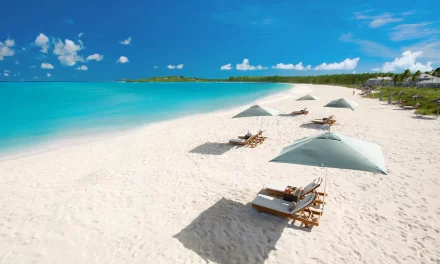
Today, the Cayman Islands are one of the most popular cruise and resort destinations in the Caribbean. Grand Cayman’s Seven Mile Beach is consistently ranked among the top beaches in the world.
Grand Cayman — The Main Island
Grand Cayman is the largest and most developed of the three islands, home to the capital George Town and the famous Seven Mile Beach. Key attractions include Stingray City, the Cayman Turtle Centre, the Pedro St. James historic site (the oldest building in the Cayman Islands, dating to 1780), and the vibrant Camana Bay town center. The island is also a world-class scuba diving destination with sites like the Kittiwake shipwreck.
Cayman Brac — The Adventurer’s Island
Cayman Brac is named for the dramatic 140-foot limestone bluff that runs the length of the island. This quieter island is a paradise for hikers, birders, and divers. It is home to the endangered Cayman Brac parrot and offers world-class wall diving, including the famous MV Captain Keith Tibbetts wreck.
Little Cayman — Pristine and Untouched
Little Cayman is the smallest island, with fewer than 200 permanent residents. It is home to Bloody Bay Wall, widely considered one of the top dive sites in the world — a sheer underwater cliff dropping from 20 feet to over 6,000 feet. The Booby Pond Nature Reserve hosts the largest breeding colony of red-footed boobies in the Western Hemisphere.
Planning Your Cayman Islands Vacation
Getting there: Owen Roberts International Airport on Grand Cayman has direct flights from Atlanta, Miami, New York, Charlotte, and Dallas. Flights from Atlanta take approximately three hours.
Best time to visit: The dry season (November through April) is the most popular. The rainy season (May through October) brings lower prices and fewer crowds.
Cruise visitors: Grand Cayman is one of the most popular cruise ports in the Caribbean. Popular excursions include Stingray City, Seven Mile Beach, and snorkeling at Rum Point.
Caribbean All-Inclusive Resorts Near the Cayman Islands
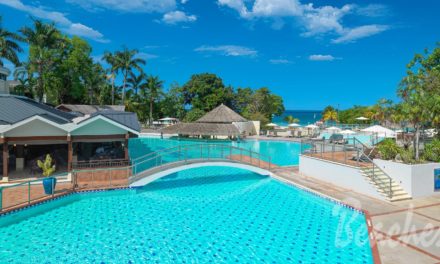
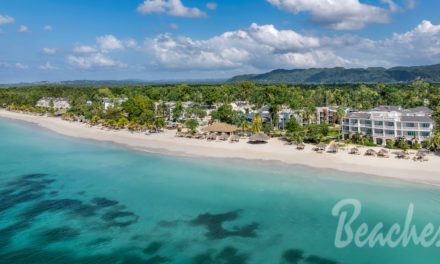
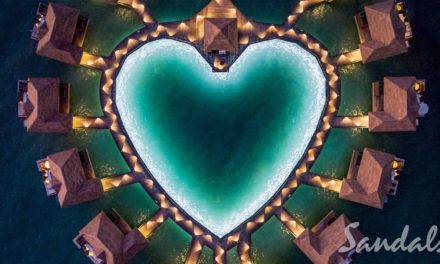
While the Cayman Islands do not currently have a Sandals or Beaches property, nearby Jamaica offers some of the Caribbean’s best all-inclusive experiences. Jamaica is just a short flight from Grand Cayman, and many travelers combine a Cayman visit with a stay at one of the seven Sandals Resorts in Jamaica. For families, Beaches Resorts in Ocho Rios offers waterparks, kids’ programs, and all-inclusive family packages.
Other nearby islands with world-class all-inclusive options include Curaçao (Sandals Royal Curaçao) and the Bahamas (Sandals Royal Bahamian). Read our complete guide to the best Sandals resorts for detailed reviews.
Planning a Caribbean Vacation?
Whether you are visiting the Cayman Islands, Jamaica, or any Caribbean destination, our certified travel specialists can help — completely free.
Frequently Asked Questions About the Cayman Islands
When were the Cayman Islands discovered?
The Cayman Islands were first sighted by Christopher Columbus on May 10, 1503, during his fourth voyage. He originally named them “Las Tortugas” after the sea turtles in the surrounding waters.
Are the Cayman Islands part of the British West Indies?
Yes. The Cayman Islands are a British Overseas Territory and part of the historic British West Indies. They were administered as a dependency of Jamaica until Jamaica’s independence in 1962, when the Caymans chose to remain under British sovereignty.
What is the best time to visit the Cayman Islands?
The best time to visit is during the dry season from November through April. For lower prices, visit during May or November.
Do you need a passport to visit the Cayman Islands?
Yes. U.S. citizens need a valid passport. Cruise ship passengers may use a passport card, but a full passport book is recommended.
Last updated: March 2026. Researched and written by Steve Griswold and the editorial team at CaribbeanMag.com.
Related: Caribbean Vacation Guide | Best Sandals Resorts 2026 | Pixie Honeymoons | Pixie Vacations