
Guadeloupe Directory
Guadeloupe Overview
Guadeloupe is really two islands joined together by a narrow saltwater river. The two "islands" of Guadeloupe couldn't be more different. Grand-Terre is a relatively flat, limestone plateau, densely populated, commercial, but not without the beautiful beaches the Caribbean is famous for. Basse-Terre, the western "wing" of butterfly-shaped Guadeloupe, is a sparsely populated volcanic island (still active), with mountains climbing almost a mile into the sky.  Guadeloupe View
Guadeloupe is an archipelago of nine inhabited islands, including Basse-Terre, Grande-Terre, Marie-Galante, La Desirade, Iles des Saintes (2), Saint-Barthelemy, Iles de la Petite Terre, and Saint-Martin (French part of the island of Saint Martin), water: 74 sq km, land: 1,706 sq km. Area - comparative: 10 times the size of Washington, DC. Land boundaries: Total: 10.2 km border countries: Netherlands Antilles (Sint Maarten) 10.2 km. Coastline: 306 km.
You can enjoy a good day’s walking, be rewarded by spectacular views of the landscape at the end of your climb, and take a dip in one of the many rock pools, some containing water warmed by the volcanic activity. You can also see some of the earliest evidence of man on the island, rock carvings made by the Arawaks.
On Grand-Terre’s beautiful beaches you can enjoy café society and join in, or watch the windsurfing and water-skiing and other water sports. Many people sunbathe topless and, particularly on Ilet de Gosier, au naturel. Grand-Terre also has 650 acres (260 sq hec) of mangrove swamp, and a marine park where you can see birds such as pelicans and doves.
Guadeloupe uses French currency, French stamps, and flies the French flag. In fact, all citizens of the country are by birth, citizens of France with full voting rights. As a result, Guadeloupe combines a somewhat metropolitan pace with the beauty of volcanoes, jungles, crystal clear ocean water and white sandy beaches.
Varied, with far-off origins, creole cooking takes advantage of the resources of the sea and the creativity of the inhabitants. A great number of restaurants, always pleasant, often outstanding, will make you discover the pleasure of new tastes and flavours. Taste them all, you won't be disappointed! 
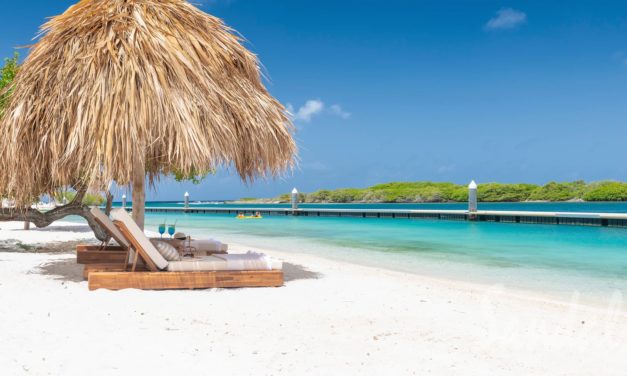
Of course, there are the hotels' beaches, some of them built into the sea, where you find all the activities and animations you can imagine. For those of you, who are more adventurous, there are about 50 beaches at the end of little streets and dirt roads, some of them only reachable by foot. Each little bay has its own character and spirit: powderlike white sand on Grande-Terre, golden brown sand on the leeward coast, black sand from the vulcano on the westend of Basse-Terre, grass on the edge of the Mangroves, cliffs, beaches full of pebbles, beaches where the rhythm of fishermen dominates the life, kneehigh water behind coral reefs, big waves at the Atlantic coast, palm trees and tropical vegetation.
Guadeloupe Facts Currency: Euro
Area: 530 square miles (1,373 square kilometres)
Electricity: 220 volts AC, 50 cycles
View All Facts |
|
Guadeloupe Accommodations
|
|