Antigua Directory
Antigua Overview

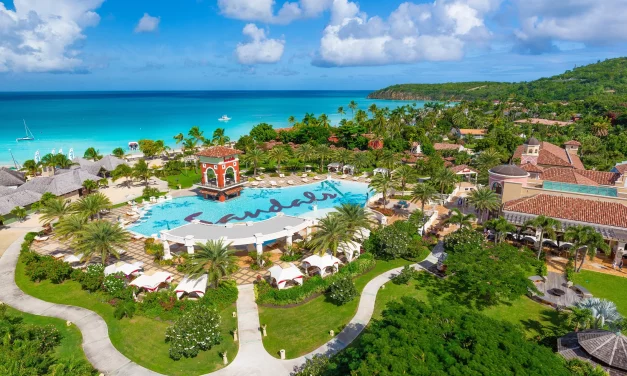
Antigua and Barbuda, independent Commonwealth nation (pop. 67,000), 171 sq mi (442 sq km), West Indies, in the Leeward Islands. It consists of the island of Antigua (108 sq mi/280 sq km) and two smaller islands, Barbuda and Redonda. Saint John's is the capital. Antigua is a hilly island with a heavily indented coast, while Barbuda is a flat coral island dominated by a large lagoon on its western side. Antigua is the main population center and the focus for business and tourist activity. Relatively-undeveloped Barbuda is home to smaller, exclusive resorts and a sanctuary for frigate birds. Just 28 miles or 45km to the north, 62 square mile (160 sq km) Barbuda has 1,500 people living in the island’s only town, Codrington, which is really a village. Together, the islands offer everything a holiday-maker could want.
Fought over by the French and the Spanish, Antigua was eventually won by the British. It became one of the Caribbean’s largest sugar cane producers and a major transport hub.
In 1493, on his second voyage, Christopher Columbus sighted the island of Antigua and named it after Santa Maria de la Antigua. Early settlement, however, was discouraged by insufficient water on the island and by Carib raids. Europeans did not establish settlements on Antigua until the English claimed the island in 1632. Antigua fell into French hands in 1666 but was returned to the English the following year under the Treaty of Breda. Antigua remained under British control from 1667 until independence was granted in 1981.
Most residents are of African ancestry. Anglicanism is the predominant religion. Tourism is the most important industry, and the on-line gambling and offshore financial services sectors generate additional foreign currency earnings. Agriculture, fishing, and manufacturing (bedding, handicrafts, and electronics) also contribute to the economy. Periodic hurricanes can cause heavy damage to the islands. The country has a parliamentary-style government with a bicameral legislature. The British monarch is the titular head of state, but primary executive power lies with the prime minister.  Antigua - Nelson Harbour
St. John’s is Antigua’s capital and economic center. Here there are two main shopping areas, with everything from tropical fashions and t-shirts to luxury goods and duty-free items. Look for artwork, European fashions, and island-made clothing.
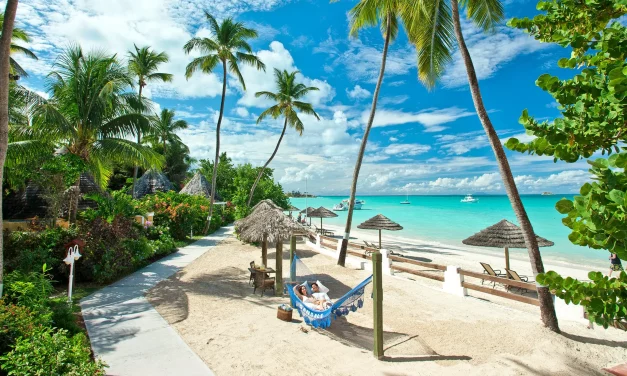
Antigua is a great spot for windsurfing and other water sports, including diving and snorkeling. Divers should not miss a trip to Barbuda, where there are more than 200 shipwrecks. As well, naturalists will want to visit Barbuda’s bird sanctuary.
Antigua Facts Capital St. John's
RELIGIONS: Mostly Christians with 45% of the population Anglican while around 42% are Protestants mainly Moravians, Methodists and Seven Day Adventists. Another 10% are Roman Catholics and less than 1% are Rastafarians.
LANGUAGES: The official language is English, although there are some local dialects are also spoken.
View All Facts |
|