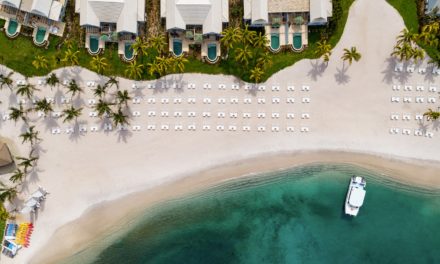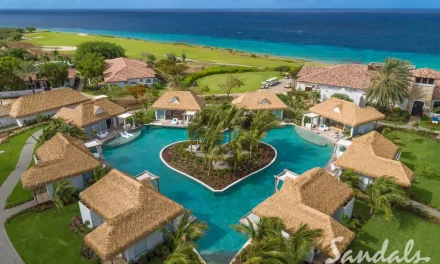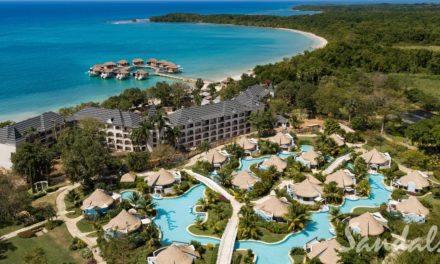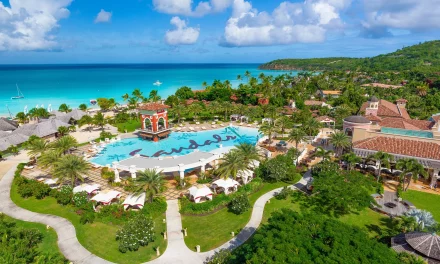
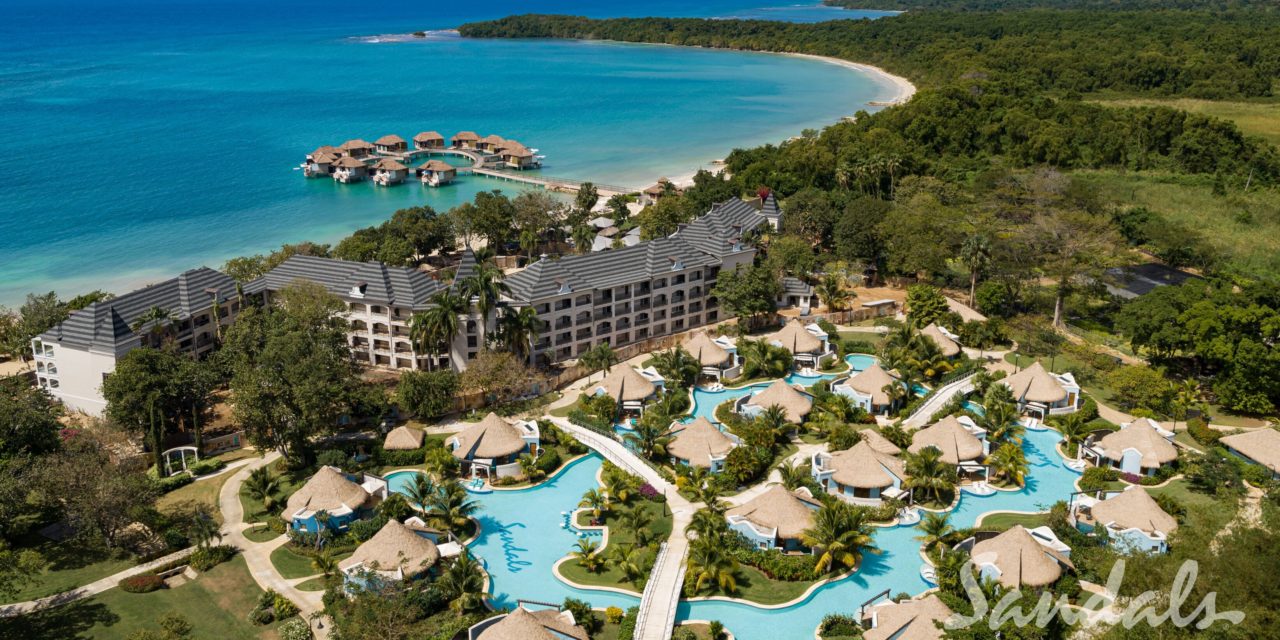
The best Sandals resort in 2026 is Sandals Grande St. Lucian for honeymoons, Sandals Grenada for intimate couples retreats, and Sandals Dunn’s River for modern luxury in Jamaica. This ranking is based on personal visits to all 17 Sandals properties, guest satisfaction data, and feedback from hundreds of couples we have helped book Sandals vacations over the past 15 years as a Sandals CRC Platinum Elite Advisor and Executive Preferred Agency.
UPDATED Last updated: March 30, 2026
If you’re planning a couples trip or getaway, our Pixie Vacations team also maintains a dedicated best Sandals resort for couples guide — updated March 2026 — that ranks every property by vacation style so you can quickly find your perfect match.
Sandals Montego Bay, Royal Caribbean, and South Coast are closed for a $200M renovation and reopen late 2026 as part of Sandals 2.0.
📅 March 2026 Editor’s Pick: Our #1 recommendation this month is Sandals Grande St. Lucian for honeymoons and overall excellence. For couples on a budget, Sandals Grenada delivers the best value. For the newest experience, Sandals Saint Vincent’s overwater villas are unmatched.
→ Get a free quote from our Platinum Elite Sandals team at Pixie Vacations
2026 for ranking the BEST Sandals Resort has been extra difficult. Hurricane Melissa hit Jamaica on October 28, 2025 and this was the most powerful hurricane ever to Jamaica in recorded history. So Sandals and Beaches Resorts have been reopening in stages. The first Sandals resorts reopened on December 6, 2025. These include:
• Beaches Negril
The remaining Sandals resorts in Jamaica are reopening late 2026 (South Coast November 18, Montego Bay and Royal Caribbean December 18):
Updated March 19, 2026 — Rankings refreshed for March 2026 by Steve Griswold, Sandals Chairman’s Royal Club Platinum Elite advisor who has personally visited all 17 Sandals resorts. This is CaribbeanMag’s definitive guide to every Sandals property.
Breaking: Three Jamaica Resorts Reopening late 2026 (South Coast November 18, Montego Bay and Royal Caribbean December 18) — Sandals Montego Bay, Sandals Royal Caribbean, and Sandals South Coast reopen following $150 million in Hurricane Melissa renovations with the full Sandals 2.0 transformation.
Looking for a specific recommendation? See our focused guides: Best Sandals Resort for First Timers | Best Sandals Resort for Couples | Full Honeymoon Rankings on Pixie Honeymoons
Current Deals: Sandals 7-7-7 weekly deals — 7% off on 7 room categories for 7+ night stays, stacking up to 70% off. Groups of 5+ rooms save 9% plus room credits. Get a free quote from our Platinum Elite Sandals specialists at Pixie Vacations.
Best Sandals Resorts Ranked – Skip Ahead
1. Sandals Grande St. Lucian
|
|
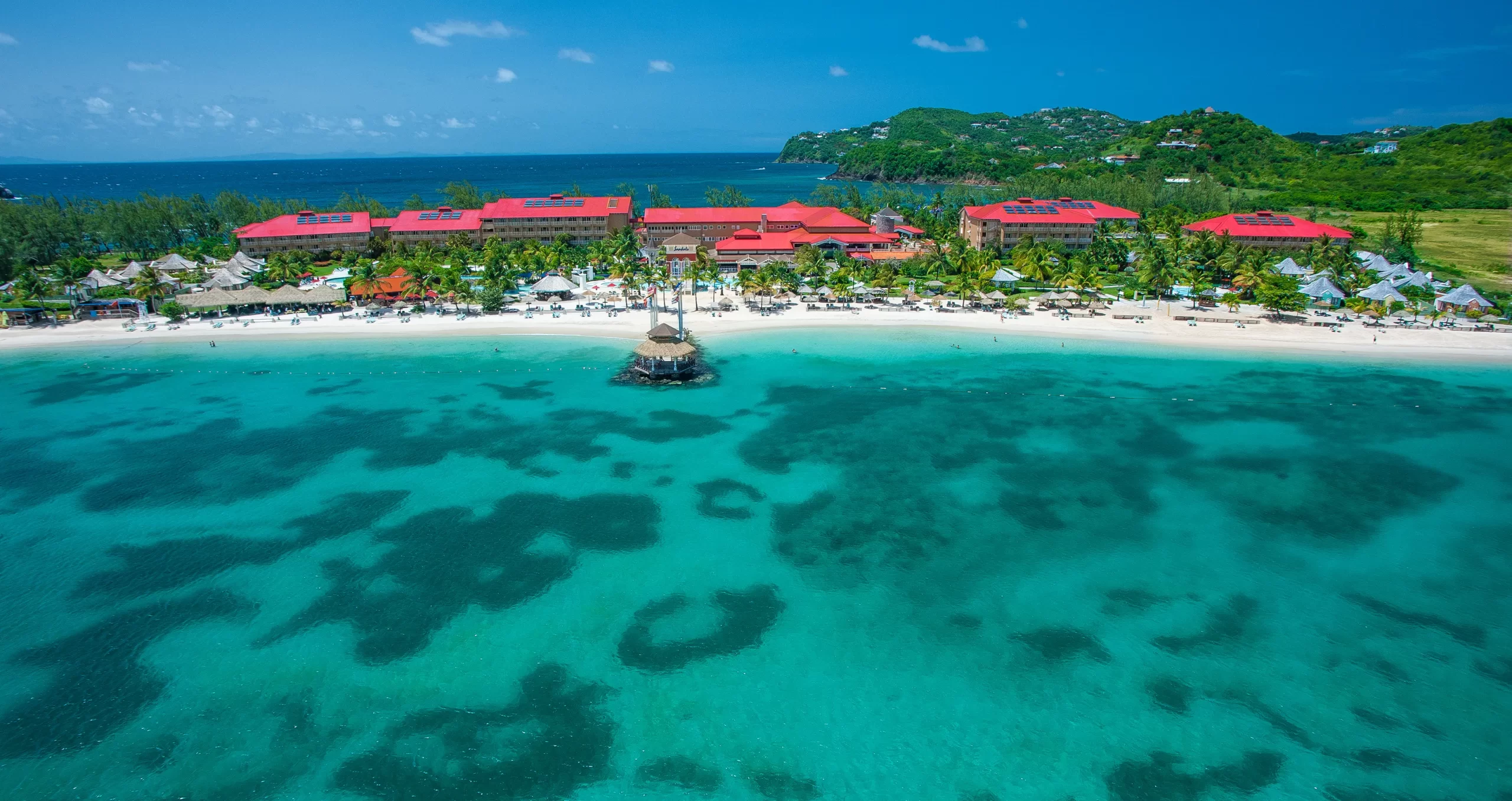
If you’re wondering which is the best Sandals Resort, the answer is undoubtedly the Sandals Grande St. Lucian. This fabulous resort is set on its own peninsula, bordering the Caribbean Sea and the Atlantic Ocean. With that in mind, you can only imagine how majestic the views can be! Serene waters and volcanic mountains will follow you wherever you go, and the white sand beach is arguably the best on the island.
Or read our advisors’ full Sandals resort rankings and recommendations before you decide.
Accommodations
Sandals Grande St. Lucian boasts over 300 rooms, sorted in specific tiers. The entry-level Luxury Rooms are equipped with super comfortable king-sized beds, smart TVs, and stocked mini-fridges. This is the perfect option for people who don’t want to spend a lot of money on accommodations, yet want to experience the renowned Sandals luxury.
Club Level rooms are considerably more luxurious than the entry-level ones. In addition to the abovementioned features, these rooms come with a concierge service, in-room premium liquor, and access to the Club Sandals Lounge.
Finally, the Butler Elite suites are some of the most opulent accommodations. These rooms feature a personal butler service, private check-in, and various upscale amenities such as soaking tubs and expansive balconies.
Still, if you’re staying in the best Sandals Resort for a special occasion, you should definitely look into the famous Overwater Bungalows! Complete with glass floor panels, overwater hammocks, and direct ocean access, these bungalows practically redefine luxury and romance. On the other hand, you can also choose the Rondoval Suites – these are more private and include personal plunge pools.
Drinks & Dining
With over 12 different restaurants, I can certainly say there’s something for everyone at Sandals Grande St. Lucian. If you’re craving something Indian, head to the Bombay Club, or check out the Barefoot by the Sea restaurant for some seafood deliciousness. Naturally, the best Italian dishes are served at Toscanini’s, while the sushi at Soy is simply unforgettable. And this is just the beginning!
As for the drinks, there are 7 bars on the property, including swim-up bars and the piano lounge for a more fancier bars. If you feel like spending a night in with a drink by the balcony, you can always turn to the in-room bar, which is restocked daily, and if you’re a Club or Butler guest, you can always count on the 24-hour room service.
Activities & Experiences
Whether you want to chill or partake in some thrilling activities, Sandals Grande St. Lucian has you covered!
While the beach is ideal for kicking your feet up and enjoying the breeze, you can also do some paddleboarding, kayaking, wakeboarding, and snorkeling. You also have access to various tennis courts, beach volleyball, a modern fitness center, and countless board games to kill time. Of course, if you’re looking for some pampering, the Red Lane Spa offers countless body and beauty treatments, providing rejuvenation like you’ve never experienced before.
The nightlife at Sandals Grande St Lucian is pretty lively. Cultural shows, fire dancers, live bands, beach parties, and themed events happen every night, bringing a piece of the island’s culture directly to you. And don’t worry, there are some low-key options as well. Personally, I loved the intimate wine tastings, paired with the most delightful piano music.
Lastly, would Grande St. Lucian be the best Sandals Resort without any golf courses? You can take a few swings at the 18-hole Sandals St. Lucia Golf & Country Club or the 9-hole course at Sandals Regency La Toc. Namely, if you opt for the “Stay One, Play at Three” privileges, you have access to all the dining beaches and amenities of the nearby Sandals resorts (Halcyon Beach and Regency La Toc) without the additional cost!
Why You Should Pick Sandals Grande St. Lucian
- Unique peninsula setting offers views of both the Caribbean Sea and the Atlantic Ocean.
- Overwater Bungalows and Rondoval Suites provide ultra-luxury, romantic accommodations.
- Includes 12 diverse restaurants and 7 bars with unlimited gourmet food and premium drinks.
- Calm bay waters make it ideal for water sports, swimming, and beginner’s scuba diving.
- Access to two additional Sandals resorts expands dining and activity choices.
- Complimentary golf, daily entertainment, and extensive all-inclusive amenities cater to both adventure and relaxation.
Key Considerations
- Sandals Grande St. Lucian is around an hour and a half away from the airport, which may not be the best choice after a long flight.
- This is an adults-only hotel, perfect for couples looking for an intimate and peaceful getaway
- The Overwater Bungalows and Butler Suites get booked fast, so be quick if you see one available.
- The beach is pretty calm and perfect for swimming, though it may not be the best choice for those looking for something more thrilling.
- The nightlife is pretty low-key – don’t expect any wild parties happening through the night.
Real Reviews
“GREAT! We booked with Sandals based on the recommendation of our travel agent, and in hindsight, she was spot-on! The all-inclusive was perfect, good variety, but what made the trip and Sandals the best was their attention to detail.”
2. Sandals Royal Barbados

|
|
When talking about the top Sandals Resorts, I simply can’t omit the amazing Sandals Royal Barbados. This is the ideal place for those who want to experience Sandals’ exclusivity, while still exploring everything Barbados has to offer.
Sandals Royal Barbados is situated on the pristine Maxwell Beach on the south coast of the island. Because of its proximity to the nearby hotspots, you have easy access to the local culture and nightlife.
Accommodations
Sandals Royal Barbados boasts 338 rooms, all designed with comfort and opulence in mind. Inside, you’ll find king-sized beds, spa-style bathrooms, and scenic balconies or patios, some of which feature the Tranquility Soaking Tubs. Just imagine how romantic those nights-in can get! As with most Sandals Resorts, you can choose between Club Level and Butler Level suites if you want the extra amenities.
This all-inclusive Sandals Resort also features the South Seas Royal Rondoval Butler Suites, which are equipped with private pools, while the most exclusive suites, the Beachfront Skypool Suites, come with infinity pools overlooking the ocean. Trust me – you won’t forget the view from this one!
Dining & Drinks
Sandlas Royal Barbados has over 21 restaurants, offering culinary delights from all over the world. Thanks to the “Stay at One, Play at Two” privileges, you can also dine at the adjacent Sandals Resort Barbados.
While all the restaurants are special in their own right, I definitely recommend the GreenHouse. Here, all of the ingredients used for the dishes are grown on-site, resulting in a dining experience you’ll remember for a lifetime. Alternatively, if you’re looking for something a bit more romantic, the rooftop bar is an excellent choice.
Activities & Experiences
There won’t be a single dull moment at Sandals Royal Barbados thanks to all the activities you can do there! Given the impressive beach, you can enjoy scuba diving, snorkelling, and paddleboarding, and there are also glass-bottom boat rides if you want to see the marine wildlife. On land, the resort boasts a variety of land sports, as well as 11 pools, including the rooftop infinity pool – the first of its kind in the Sandals family.
You can enjoy your nights watching different live shows and cultural performances, but I definitely recommend checking out the Lovers Lane bowling alley. Hey, a little friendly competition never hurts, right? The bar in the alley also serves 19 different kinds of craft beer, so you can make bowling night into a beer tasting experience as well!
As previously mentioned, this all-inclusive Sandals Resort is close to the local attractions such as Harrison’s Cave and St. Nicholas Abbey. So, if you want to go out and explore what Barbados is famous for, simply go to the resort’s tour desk to arrange an excursion.
Why You Should Pick Sandals Royal Barbados
- All-suite, luxury accommodations, including the Skypool and Rondoval Suites
- Access to 21 restaurants and 14 bars
- All-inclusive package covering gourmet dining, premium drinks, and countless activities
- Close to local attractions and vibrant nightlife
- Ideal for couples seeking a blend of relaxation, adventure, and culture
- Exclusive services for Butler Level guests, including Rolls-Royce airport transformers and private check-in
Key Considerations
- Sandals Royal Barbados is 15 minutes away from the airport, making it quite convenient for travelers.
- This is an adults-only hotel, not suitable for families with small kids and solo travelers.
- Premium accommodations are in high demand; book early!
- Some restaurants may require reservations; be sure to find out all about them as soon as you arrive so you don’t miss out on them.
- Because of the resort’s location, this may not be the most serene option, considering the live entertainment and social activities
Real Reviews
“First time at a Sandals resort and we were not disappointed. Our room was nice and big and comfortable. It was cleaned daily. The food was exceptional. And the whole of the complex was very well maintained.”
3. Sandals South Coast

|
|
Nestled in a 500-acre natural reserve, Sandals South Coast is undoubtedly the best Sandals Resort in Jamaica! With a pristine beach stretching for over two miles and a picturesque environment you only see in storybooks, this is the ultimate resort where you can truly feel peace. Because of its location, Sandals South Coast is the perfect couples getaway, and thanks to the gorgeous chapel, it can even be the place for your destination wedding.
Accommodations
Sandals South Coast features 360 rooms, enriched with the finest amenities. Of course, you also have the option to opt for the Club Level and Butler Level privileges, offering many add-ons to make your stay truly memorable.
Still, my favorite thing about this best Sandals Resort is the overwater bungalows! They are placed in a heart-shaped formation, so you feel the romantic vibe even before you enter. The interiors, on the other hand – the perfect image of resplendence. If that’s not enough, you can also opt for the Swim-Up Rondoval Suites with private plunge pools. It truly doesn’t get better than this!
Dining & Drinking
In addition to the magnificent surroundings, you have countless options to indulge in culinary masterpieces. Sandals South Coast boasts nine restaurants, with all kinds of cuisines. Sushi on the Sand is ideal for lunch after an entire day of tanning, while Cafe de Paris is the perfect brunch spot.
The bars are equally amazing! This resort features seven bars, including my favorite Latitiudes overwater bar, offering unlimited spirits and tantalizing cocktails, perfect for killing the Caribbean heat.
Activities & Experiences
When it comes to the activities at Sandals South Coast, the world’s your oyster! For the water-lovers, you can go on a kayak ride, go snorkeling, and if you’re a certified diver, you can even go scuba diving and see the amazing marine life.
Start the day with a quick workout or yoga session at the state-of-the-art fitness center, and head on over to the pool for some well-deserved relaxation. Speaking of the pools, did you know that Sandals South Coast is home to the biggest pool in Jamaica? To make the experience even better, book an appointment at the Red Lane spa for some excellent restorative treatments.
On the other hand, if you’re feeling a bit more adventurous, you can check out some of the local attractions such as the YS Falls or Floyd’s Pelican Bar. When night falls, head on over to the resort’s bars and restaurants to watch cultural performances or party away.
Finally, what I love most about this all-inclusive Sandals Resort is that it’s so couples-friendly! Aside from being an adults-only establishment, the resort offers wedding and honeymoon packages. Picture your ceremony by the seaside or at the romantic chapel – sounds heavenly, doesn’t it?
Why You Should Pick Sandals South Coast
- Secluded beachfront location, nestled in a 500-acre natural reserve
- Luxurious accommodations, including the Swim-Up Suites and Overwater Bungalows
- Diverse dining options with nine specialty restaurants and seven bars
- Various water and land activities, as well as local excursions
- Ideal for weddings and honeymoons
- Access to excursions showcasing Jamaica’s uniqueness
Key Considerations
- Sandals South Coast is located 90 minutes away from the airport; the resort offers a private pick-up service
- Adults-only, not suitable for families and solo travelers
- Some restaurants may require more formal clothes for dinners, so make sure to bring options
- You can score better prices during the rainy season (May to November)
“This place is absolutely amazing!!!!! We stayed in the Rondoval’s and had the best butler team, Tiffany and Alicia!! Talk about red carpet treatment!! They did nothing but absolutely spoil us and treat us like we were their only guests. From celebrating our anniversary with style to creating a pool party in the Rondoval village. Hands down the best vacation we have ever had.”
4. Sandals Royal Curacao
|
|
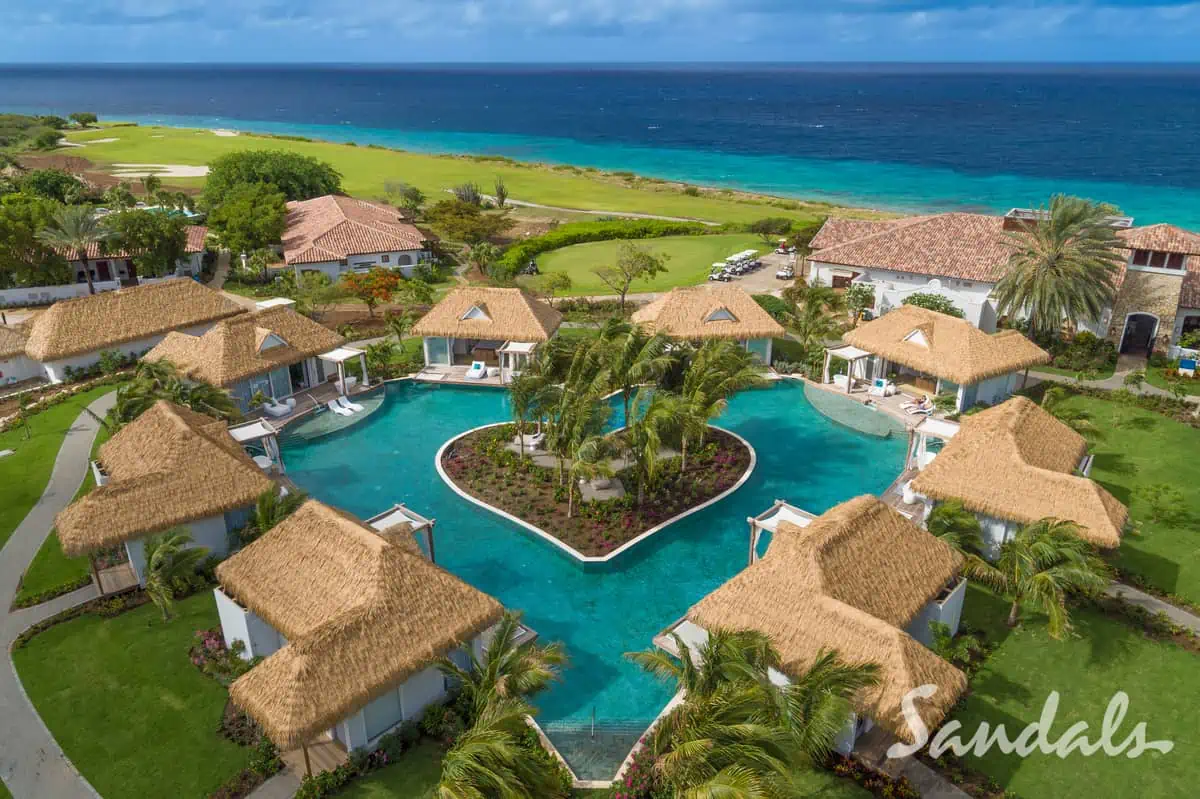
Although beautiful, it’s true that Caribbean vacations can sometimes feel a bit touristy. In that case, if you desire something a bit more upscale, elegant, and sophisticated, look no further than Sandals Royal Curacao. This gorgeous establishment is situated on a 44-acre property, seamlessly blending luxury with the natural surroundings. Additionally, its location also gives you a first-hand look at the capital’s vibrancy and history.
Accommodations
Sandals Royal Curacao has 351 rooms and suites, designed in contemporary Caribbean aesthetics. While the usual Luxury, Club, and Butler Level are available, I recommend looking into the romantic bungalows.
Namely, the Kurason Island Poolside Butler Bungalows are arranged around a heart-shaped pool, perfect for couples on a romantic getaway. Alternatively, you can choose the Awa Seaside Butler Bungalows. These offer a similar vibe, though they feature a stunning infinity-edge pool overlooking the ocean. What’s best, both options come with exclusive access to a MINI Cooper convertible with which you can explore the island’s surroundings.
Dining & Drinking
Sandals Royal Curacao offers a diverse culinary experience with eight restaurants and three beachside food trucks, serving a range of cuisines from Mediterranean to Latin fusion. Guests can enjoy unlimited dining and premium beverages at 13 bars, including swim-up bars and a rooftop bar with panoramic views. If you opt for the Butler Level privileges and stay for seven nights or more, you receive a $250 dine-out credit to explore local restaurants through the Island Inclusive Program.
Activities & Experiences
As usual, Sandals Royal Curacao has tons of entertainment options for all tasters. On land, you can partake in a variety of sports and board games, hit the gym center, or enjoy some water activities on the beach. However, if you’re into something low-key and relaxing, don’t miss out on the pools. In fact, this all-inclusive Sandals Resort features the Dos Awa two-level infinity pool, the only of its kind in the Caribbean!
Even though there are many nightime entertainment options, I strongly suggest taking a whole day to explore Curacao. Willemstad is a very colorful city and has tons of attractions that will keep you on your toes for hours. Once night falls, you can hit up some of the bars in the area and take in the local scene. Of course, staying inside the resort with a delicious cocktail in hand is always an option!
Why You Should Pick Sandals Royal Curacao
- Exclusive accommodations like the Kurason Island and Awa Seaside Butler Bungalows with private pools and butler service.
- Access to a complimentary MINI Cooper convertible for island exploration.
- Diverse dining options, including eight restaurants and three food trucks, plus a $250 dine-out credit for Butler Level guests.
- Stunning two-level infinity pool and multiple other pools and whirlpools.
- Wide range of water and land activities, including scuba diving and tennis.
- Ideal for couples seeking a blend of relaxation, adventure, and cultural experiences.
Key Considerations
- The resort is still relatively new (opened in 2022), so some areas and services may still be evolving or adjusting to guest feedback.
- Curaçao’s beaches tend to be smaller and more cove-like, which may not appeal to travelers looking for long stretches of sandy coastline.
- The on-site food truck options, while unique and casual, may not suit guests looking for more formal or traditional dining experiences.
- While the MINI Cooper inclusion is a standout perk for Butler guests, local driving conditions and navigation may not appeal to everyone.
- Curaçao has a drier, desert-like climate compared to other Caribbean islands, which could surprise guests expecting lush tropical landscapes.
Real Reviews
“We stayed the last week in April of 2025 and we had a wonderful time. We thoroughly enjoyed the week and encountered no problems. We highly recommend this resort. The grounds are meticulously maintained and the exotic birds are beautiful and melodious (Very relaxing to watch and listen to!) Just can’t say enough good things about the staff.”
5. Sandals Royal Caribbean

|
|
For those looking for true serenity and relaxation, how does your own private island sound? Yes, the next feature on my best Sandals Resorts ranked list has its own private island! With that said, allow me to introduce you to Sandals Royal Caribbean.
This Sandals Resort is located in the heart of Montego Bay, just minutes away from the airport. But don’t let the location scare you off – the atmosphere and surroundings are incredibly peaceful, meaning your getaway will be as relaxing as possible. As soon as you arrive, you’ll be welcomed by British sophistication infused with a Jamaican twist. Oh, and did I mention all the majestic peacocks walking around?
Accommodations
The resort offers 272 rooms and suites across various categories, including Luxury Level, Club Level, and Butler Level accommodations. Some of my favorite options are the Caribbean’s first Overwater Bungalows, featuring glass floor panels, private infinity pools, and direct sea access.
Then, Swim-Up Crystal Lagoon Suites provide direct pool access, while Beachfront Butler Suites offer expansive ocean views. In any case, no matter what type of room you choose, know that you’re in for a fabulous experience!
Dining & Drinking
In true Sandals Resort fashion, Sandals Royal Caribbean has tons of culinary options from French delicacies at Le Jardiniere to local culinary masterpieces at Spices. Still, one thing you definitely don’t want to miss out on is the Bali-infused restaurant on its own private island!
Namely, when you book your stay at this resort, you get a complimentary water taxi that will get you to the island and give you more than enough time to explore it when you get to your dining reservation. The food here is fantastic, and paired with the entertainment, you’ll practically feel like you’re in Bali!
Speaking of cultural immersion, don’t forget to stop by for afternoon tea at the British-inspired Cricketers. The selection of teas and pastries will blow you away.
Activities & Experiences
Even though it’s one of the smaller Sandals Resorts, Royal Caribbean still offers many things to do. From kayaking and scuba diving to live entertainment, there’s something for every taste.
Additionally, the tours here are a must-see. The Martha Brae bamboo river rafting and Luminous Lagoon tours seem to be the most popular options, so ensure you reserve your spots on time before it’s too late. Montego Bay is also the most developed part of Jamaica, so you’re free to explore the surroundings and see what the city has to offer.
Finally, the best beach spots fill up pretty quickly during peak season – better set those alarm clocks early! Still, if there’s no space at the beach beds, you can always chill by the swim-up bars and pools.
Why You Should Pick Sandals Royal Caribbean
- Unique combination of British colonial charm and Caribbean ambiance.
- Exclusive private offshore island with Balinese-inspired amenities.
- First-ever Over-the-Water Bungalows in the Caribbean.
- Diverse dining options with exchange privileges at nearby Sandals Montego Bay.
- Comprehensive range of water and land activities included.
- Ideal for couples seeking a blend of relaxation, adventure, and cultural experiences
Key Considerations
- The beach areas are smaller compared to other Sandals resorts, which may not appeal to those seeking expansive shorelines.
- The resort’s proximity to the airport means occasional noise from air traffic.
- Some dining venues require advance reservations, especially during peak seasons.
- The private island is accessible only by boat, which may be a consideration for guests with mobility concerns.
- While the resort offers a variety of activities, those seeking a more tranquil environment should note the lively entertainment and social atmosphere.
“We got married at Sandals Royal Caribbean and have nothing but the best things to say about the people, or stay and our wedding! Our butlers Shana and Andre (Jack) were awesome! The wedding people from the consultants to the hair and makeup and photographers were just the best! We are going back every year.”
6. Sandals Grenada

|
|
Imagine starting your vacation as soon as your plane lands – quite the pretty picture, isn’t it? Well, all of that is possible in Sandals Grenada! One of the many things that makes it one of the best Sandals Resort is the proximity from the airport, just one mile away!
Sandals Grenada is set in the heart of Pink Gin Beach, creating the perfect escape for couples seeking a luxurious Caribbean getaway. As soon as you arrive, you will be drifted away by various aromas of nutmeg and cinnamon. After all, the island is known as “Spice Island” for a reason!
Best of all, this is just the beginning. Just wait until you see everything this amazing resort has to offer.
Accommodations
The resort boasts 257 rooms and suites, each thoughtfully designed to offer comfort and luxury. Accommodations range from the opulent Skypool Suites, featuring private infinity-edge plunge pools with ocean views, to the South Seas Honeymoon Butler Villas, offering secluded garden settings and personal butler service.
All rooms are equipped with modern amenities, including king-size beds, spa-style bathrooms, and fully stocked minibars.
Dining & Drinking
You can indulge in a culinary journey across 10 specialty restaurants, offering a variety of global cuisines from French and Italian to Caribbean and Asian fusion. However, if you don’t check out the Butch’s Chophouse, you’ll definitely miss out. If you’re craving a mouthwatering steak dinner, this restaurant will satisfy all of your cravings.
Afterward, sit down for a cocktail at one of the six bars and take in the atmosphere. My personal favorite is the piano bar, offering the finest wines in the most romantic and sophisticated setting.
Activities & Experiences
Sandals Grenada offers a diverse array of activities and experiences designed to cater to both adventure seekers and those looking to unwind. If you’re into water fun, you can take advantage of the resort’s comprehensive scuba diving program, exploring some of the world’s most renowned reefs, walls, and wrecks.
Additionally, you can enjoy a variety of water sports, including kayaking, windsurfing, snorkeling, Hobie Cat sailing, and paddleboarding, all with top-of-the-line equipment and professional instruction. On land, the resort provides unlimited access to activities such as table tennis, shuffleboard, day and night tennis, bocce ball, beach volleyball, board games, and pool tables.
Outside the resort, you can explore Grenada’s natural beauty and cultural heritage through various excursions. Options include snorkeling at the Molinere Underwater Sculpture Park, hiking in Grand Etang National Park, visiting the Seven Sisters Falls, and touring local spice plantations.
Why You Should Pick Sandals Grenada
- Proximity to the airport allows for a quick and convenient transfer to the resort.
- Innovative accommodations like Skypool Suites and Rondoval Villas offer unique luxury experiences.
- Diverse dining options with 10 specialty restaurants and six bars cater to various culinary preferences.
- Wide range of water and land activities included in the all-inclusive package.
- Ideal for couples seeking a blend of relaxation, adventure, and cultural experiences.
- Access to unique excursions showcasing Grenada’s natural beauty and cultural heritage
Key Considerations
- Due to its cliffside design and multi-level layout, the resort requires more walking and stair use than some other Sandals properties—something to keep in mind for guests with mobility concerns.
- While Pink Gin Beach is stunning, it’s narrower than other Caribbean beaches and has limited shaded areas, especially during midday.
- Skypool Suites offer unforgettable views, but some guests may find the balconies more exposed than expected for total privacy.
- The modern aesthetic and compact footprint mean the resort may feel more boutique than sprawling—great for convenience but less so for those wanting expansive grounds.
- Because the resort is close to the airport, occasional airplane noise is audible, particularly during daytime arrivals and departures.
Real Reviews
“This was our third trip to Sandals Grenada. Everything was super! The housekeeping and groundskeepers were very professional and efficient. Food at all restaurants was excellent. Kimony and the entertainment staff did wonderful job day and night. The bar staff to include Mario, Terrell, Shareen, Javon and Kareem should be commended for keeping a very difficult crowd happy! Hats off to Peter Frasier and his management team. Sandals Grenada continues to be the gem of the brand!”
7. Sandals Grande Antigua
|
|
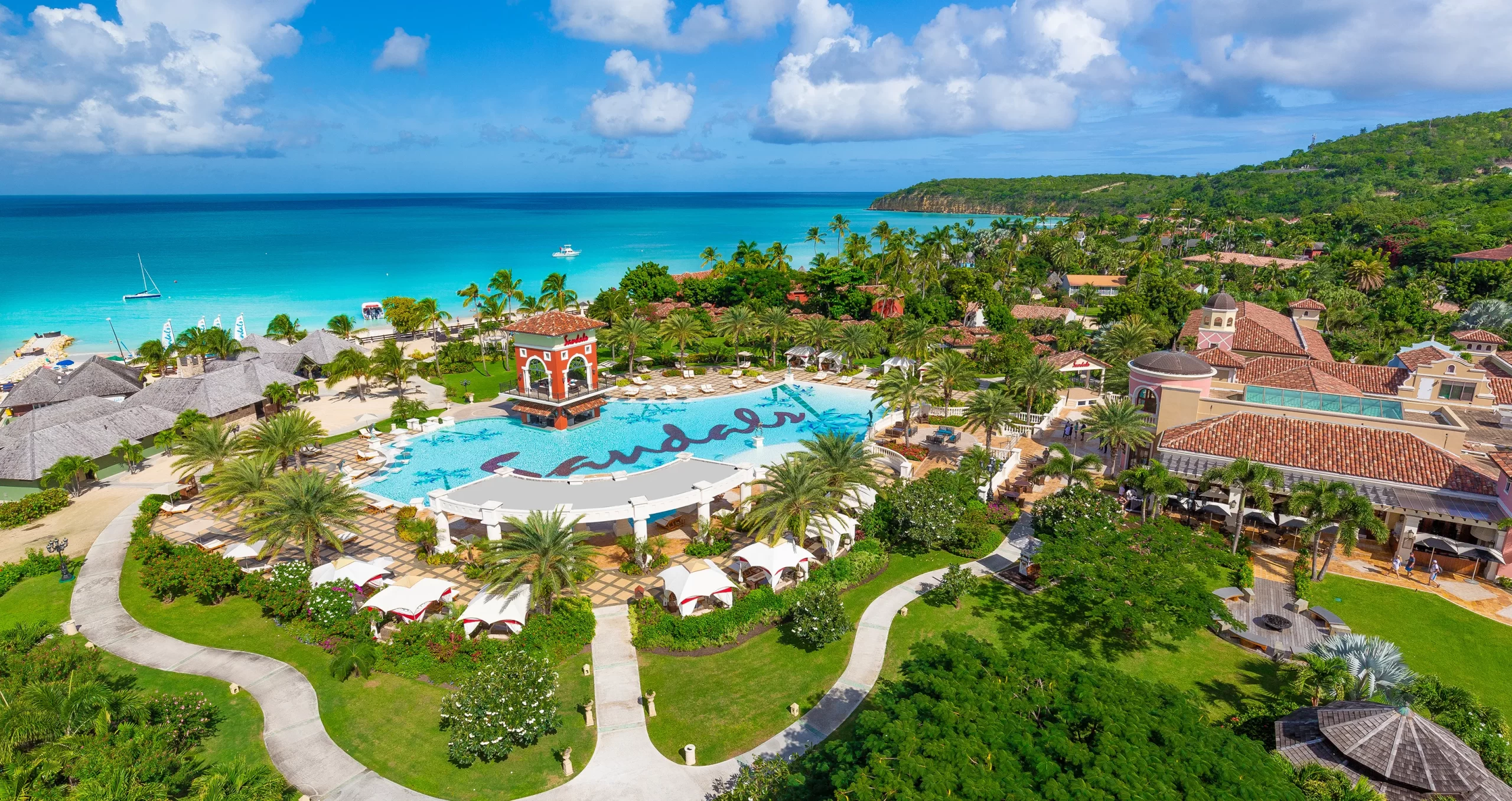
If you look up the most romantic resorts in the Caribbean, Sandals Grande Antigua is bound to pop up. And once you feast your eyes on it, it will be pretty easy to understand why! Located on the picturesque Dickenson Bay, this resort is the perfect blend of exotic luxury and beachside serenity. Apart from that, did you know that Antigua has a total of 365 beaches, one for each day of the year! Paired with the resort’s atmosphere, it easy to see why Antigua has become a favorite destination for a couple’s getaway.
Now, there are a lot of things that make Grande Antigua one of the best Sandals Resorts. However, my personal favorite is the two distinct settings. On the one hand, you have the Caribbean Beachfront Village, a tropical, lush oasis by the sea. On the other hand is the Mediterranean Oceanview Village, the more opulent part of the resort, ideal for those looking for a more upscale vibe. In any case, no matter what you choose, an amazing time is more than guaranteed!
Accommodations
Sandals Grande Antigua offers a variety of accommodations fit for all kinds of preferences. The Caribbean Village features cozy cottages and beachfront suites surrounded by exotic plants, creating a more secluded and authentic island experience. In contrast, the Mediterranean Village boasts expansive suites with modern amenities, offering views of the sea or the resort’s manicured gardens.
Naturally, the Rondoval Suites, unique to Sandals Grande Antigua, are circular villas with conical thatched roofs, private pools, and butler service, offering an intimate and luxurious retreat. With that said, if you’re going on a honeymoon or a romantic retreat, these are definitely the accommodations to look into!
Dining & Drinking
With 11 restaurants across the entire premises, you can enjoy all kinds of worldwide cuisines. For instance, you can savor some authentic Italian delicacies at Mario’s, while the seafood at Barefoot by the Sea is nothing short of delightful.
When it comes to the drinks, there are seven bars to choose from, including the refreshing swim-up bars. One thing’s for sure – at this all-inclusive Sandals Resort, being thirsty is out of the question!
Activities & Experiences
Sandals Grande Antigua offers countless activities to keep you engaged. Water enthusiasts can partake in PADI-certified scuba diving, snorkeling, windsurfing, and paddleboarding. If you’re feeling more active, you can play a few rounds at the tennis court, enjoy beach volleyball, or break a sweat at the state-of-the-art fitness center.
The resort also hosts nightly entertainment, from live shows to themed parties, ensuring vibrant evenings. For those seeking relaxation, the Red Lane® Spa provides a range of treatments inspired by Caribbean traditions.
Why You Should Pick Sandals Grande Antigua
- Prime location on Antigua’s famous Dickenson Bay.
- Dual-village concept offering diverse experiences within one resort.
- Unique Rondoval Suites providing intimate luxury.
- Extensive dining options with 11 specialty restaurants.
- Wide range of activities catering to both adventure seekers and relaxation enthusiasts.
Key Considerations
- The resort’s popularity means it can be bustling, especially during peak seasons.
- Some areas of the resort may require a fair amount of walking; guests with mobility concerns should inquire about room locations.
- While the beach is public, vendors are present; interactions are generally friendly but can be frequent.
- Certain dining venues may require reservations, especially for dinner.
- Given its romantic focus, the resort is tailored more towards couples than groups or solo travelers.
Real Reviews
“Every aspect of our stay was excellent. The room was clean, comfortable, with all we could have needed. Can’t say enough for the entire staff. They were the most welcoming and accommodating employees we have ever met. We truly felt at home for the week. The meals at each restaurant were all fantastic. Can’t forget to mention the great level of entertainment most every night. Thank you!”
8. Sandals Dunn’s River

|
|
Speaking of the best Sandals Resorts in Jamaica, not mentioning Sandals Dunn’s River would be a crime! This fabulous resort is the perfect example of blending Jamaica’s natural wonders with the opulence of the modern world.
Additionally, this is the newest addition to the Sandals Resort family. It is located on the north coast in Ocho Rios, just minutes away from the renowned Dunn’s River Falls. With that in mind, you can only imagine what the view is like here.
Another interesting thing is that Sandals Dunn’s River has been recently renovated to include the finest suites, tropical gardens, and a beach where you can truly feel at peace. Pair all of this together, and you have the perfect solution for an unforgettable Jamaican romantic getaway!
Accommodations
As you can already imagine, Sandals Dunn’s River features 14 unique room categories across three service levels: Luxury, Club Sandals, and Butler Elite. So, let’s mention the standout options!
If your definition of romance is a night under the twinkling stars, look no further than the Coyaba Sky Rondoval Villas. Here, the private rooftop terraces feature telescopes for stargazing, making it the perfect date night idea. On the other hand, the Tufa Terrace SkyPool Suites, boasting glass-fronted infinity pools with panoramic ocean views, create a tranquil paradise for the ultimate getaway.
Dining & Drinking
You can indulge in many dining options at 12 specialty restaurants, ranging from Mediterranean and Asian fusion to authentic Jamaican jerk cuisine. Notable venues include Edessa for Greek dishes, Banyu for Asian fusion, and the beachfront Jerk Shack.
Sandals Dunn’s River also features nine bars, including the rooftop Ocarina and the Dunn’s Rum Club, offering a selection of 30 rum varieties. A taste-testing experience is a must, and don’t worry about overindulging. Even if you do, you will be at one of the most relaxing places in the world, meaning you won’t feel a thing!
Activities & Experiences
Sandals Dunn’s River puts a strong emphasis on immersive, sensory-driven experiences. Unlike the usual offerings, the resort has curated unique encounters such as rainforest sound meditation sessions, guided mineral river walks, and couples’ paddleboard yoga at sunrise.
For aquatic exploration, you can access snorkeling reefs and diving sites along the north coast. You can also join cocktail masterclasses, steel drum workshops, and herbal remedy classes inspired by Jamaica’s healing traditions.
Multiple pools, including a river pool that cuts through the resort, encourage relaxed wandering and discovery. Evening experiences range from cinematic beach screenings to live reggae under the stars.
Finally, for all you golfers out there, you can hit up the courts at Upton Estate Golf & Country Club, with scenic fairways overlooking the mountains and coast.
Why You Should Pick Sandals Dunn’s River
- Features exclusive room types like the rooftop Rondoval Villas and Tufa Terrace SkyPool Suites.
- Pairs luxury with nature through holistic wellness experiences, open-air design, and rainforest integration.
- Offers one-of-a-kind activities like paddleboard yoga, river walks, and herbal workshops.
- Boasts strong ties to Jamaican culture through rum tastings, local entertainment, and traditional cuisine.
- Rooftop bars, floating daybeds, and themed nightly events create a dynamic yet relaxing atmosphere.
- Access to iconic Jamaican excursions, including Dunn’s River Falls and Blue Hole, is minutes away.
Key Considerations
- As one of Sandals’ newest properties, it’s still fine-tuning service consistency in some areas.
- The design is ultra-modern, which might not appeal to those who prefer classic Caribbean resort style.
- Rooms with rooftop terraces and elevated pools offer little overhead shade—important to note for sun-sensitive guests.
- The focus on wellness and cultural immersion means fewer “party-style” pool scenes compared to other Sandals resorts.
- While Sangster International (MBJ) is the main airport, it’s roughly a 90-minute transfer. Norman Manley Airport in Kingston is another option, but farther away.
Real Reviews
“This was our first time at Sandals Dunns River, but our second time to Jamaica. The first trip, we chose a non-Sandals resort, and the difference between the quality and service was huge! I highly recommend Sandals Dunn’s as the resort was clean, the beach was beautiful and private, and the people were the best! Food is also slightly elevated here compared to other Sandals resorts.”
8. Sandals St. Vincent
|
|
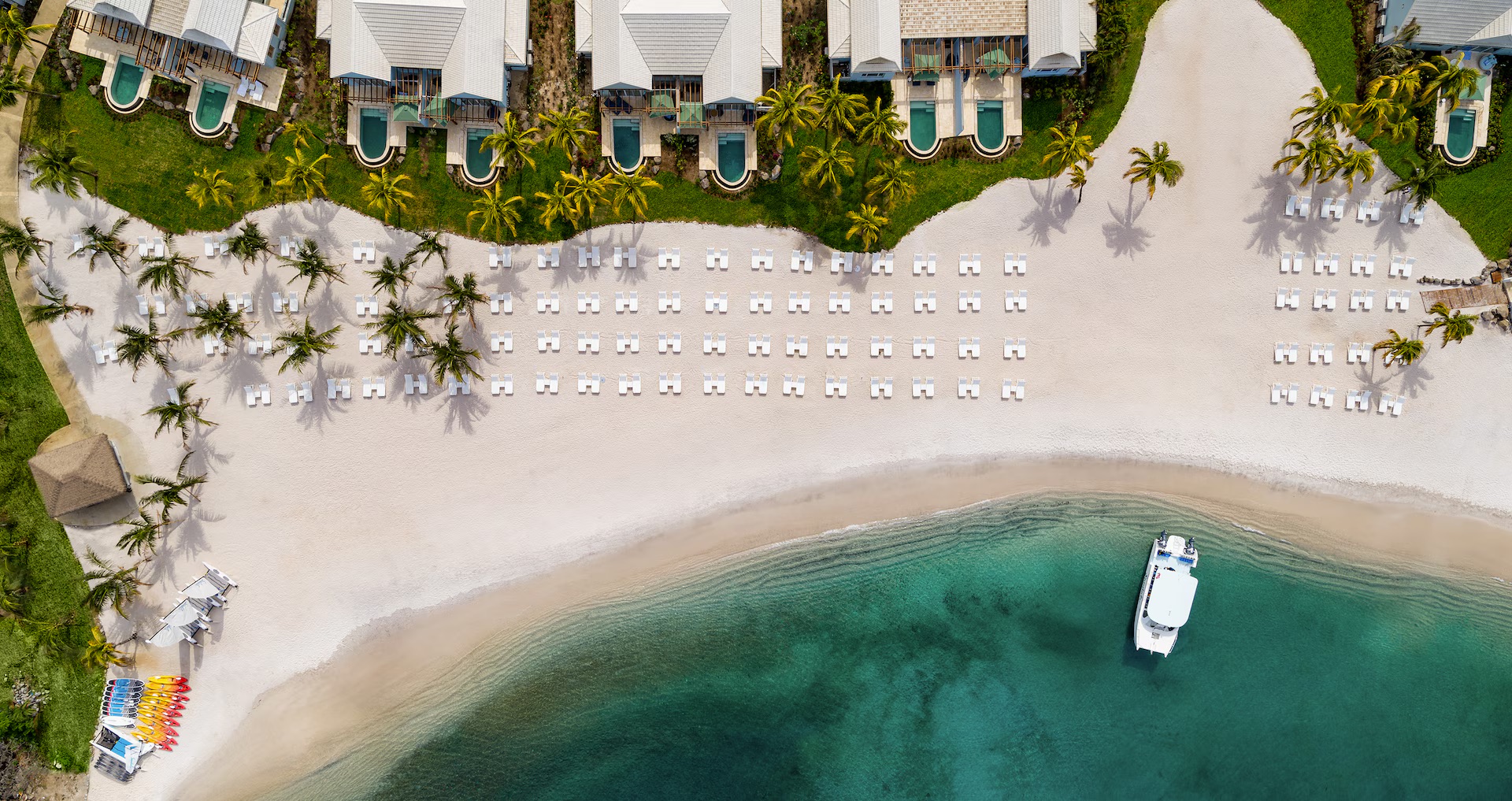
Since we’re talking about the newest gems in the Sandals family, I also have to mention the amazing Sandals St. Vincent. This strong contender for the best Sandals Resort opened its doors in March 2024 and left an indelible mark on all of its visitors.
Sandals St. Vincent is located on the pristine shores of St. Vincent, surrounded by a serene river, tropical rainforests, and volcanic beaches, making it the ultimate spot for unwinding and having an unforgettable vacation. Additionally, this resort also features the ever-famous overwater bungalows, so you know a good time is more than guaranteed!
Accommodations
Accommodations at Sandals St. Vincent are a mix of high-end design and thoughtful comfort. There are 301 rooms and suites, including overwater villas with infinity pools and glass floor panels, beachfront butler villas with direct beach access, and swim-up suites where you can go from your bed to the pool in seconds.
One unique option is the In-Suite Fitness Rooms, a first for the Sandals family. It’s the ideal option if you don’t want to miss a workout!
Nevertheless, every room comes with sleek finishes, modern bathrooms, soaking tubs, and fully stocked minibars. Butler service is available in the top-tier categories for a more personalized stay.
Dining & Drinking
There are 12 restaurants and nine bars at this resort, offering a mix of Caribbean-inspired dishes and international flavors. Standouts include Parisol, a beachside seafood grill with amazing sunset views, and Buccan, which serves traditional local flavors in a laid-back setting.
If you’re into health and wellness, Green Bowl offers fresh smoothie bowls and salads. For steak lovers, Butch’s Island Chop House delivers. Whether you’re into casual bites or something more upscale, there’s something for everyone!
Activities & Experiences
Sandals St. Vincent offers plenty of ways to stay active or relax. You’ve got the usual water sports like snorkeling, kayaking, paddleboarding, and scuba diving. The diving here is especially good, thanks to clear waters and uncrowded reefs.
On land, there are tennis and pickleball courts, beach volleyball, and a well-equipped fitness center. The river that runs through the property is a unique feature—you can even paddle down it for a change of pace.
Entertainment includes live music, themed nights, and cultural performances. The Red Lane Spa is there for massages and treatments, some of which are offered directly by the river for the ultimate relaxation.
Why You Should Pick Sandals St. Vincent
- It’s quiet, scenic, and far from busy tourist zones.
- The overwater villas and swim-up suites feel exclusive and well-designed.
- Dining is solid, with plenty of variety and fresh local ingredients.
- There’s a strong focus on nature, which adds something different to the usual Sandals vibe.
- The river, black-sand beach, and surrounding jungle make it one of the most unique resort settings.
- Good for couples who want a slower pace and beautiful scenery.
Key Considerations
- The airport transfer is around 45 minutes, with winding roads—bring motion sickness meds if you’re sensitive.
- Some features and activities may still be rolling out since this resort is brand-new.
- If you want nightlife or shopping, you’ll need to leave the resort, and options on the island are limited.
- The quiet atmosphere is a plus for most, but if you’re looking for high-energy socializing, this might feel a bit too relaxed.
- Overwater villas are limited and book up fast – if that’s your must-have, reserve early.
Real Reviews
“We chose Sandals St. Vincent and the Grenadines for our Honeymoon and it was absolutely incredible! This resort is truly stunning and the most beautiful country we’ve ever been to. We couldn’t stop talking about the scenic views from every turn. From the moment we arrived in St. Vincent, you are met with one of the friendliest smiles, Nyssa, was so welcoming and started our trip off right! My husband and I stayed in a butler category room. When doing so, do yourself a favor and choose the boat transport option for arrival and departure, it’ll start and end your trip with the stunning views of the islands.”
10. Sandals Regency La Toc

|
|
Reaching the top ten of my best Sandals Resorts ranked list is the amazing Sandals Regency La Toc. Named the Emerald of the Caribbean, nature runs supreme here, and it’s undoubtedly one of the most gorgeous resorts in the world!
Sandals Regency La Toc is located on a 220-acre estate in St. Lucia, offering a front row seat to countless natural wonders, including lush hillsides, crystal-clear waters, and colorful coral reefs.
In addition to the various luxurious amenities, what makes this one of the best Sandals Resorts is the crescent-shaped beach that runs for half a mile. In short, you’ll feel like you’re completely disconnected from the world, paving the way for true pleasure and relaxation.
Accommodations
Sandals Regency La Toc has a wide range of room types, from beachfront suites to villas built high up on the bluff with their own private pools. If you want something ultra-private, the Sunset Bluff Millionaire Villas are top-tier. These come with butler service, massive views, and plunge pools you won’t want to leave.
Prefer to stay closer to the action? There are Club and Luxury Level rooms closer to the beach and pools that still give you all the essentials!
Dining & Drinking
There are nine restaurants at the resort, so you’ll have plenty of options to choose from. You can go classic French at La Toc, fresh seafood at Neptune’s, or enjoy Caribbean staples at The Pavilion. And if you want even more options, you can hop over to Sandals Grande St. Lucian or Halcyon Beach thanks to the “Stay At One, Play At Three” privileges. That brings your total to 27 restaurants, so boredom is not on the menu! Drinks-wise, you’ve got multiple bars, including a swim-up bar and Herbie’s Piano Bar for a more laid-back nightcap.
Activities & Experiences
This resort gives you a good balance between chill and active. You can snorkel, paddleboard, or go kayaking in the bay, and certified divers get unlimited scuba diving. On land, there’s beach volleyball, tennis, and a gym with fitness classes.
Golfers get free green fees at the nearby Cap Estate Golf Course. And if you’re more about relaxing, the pools are quiet and the Red Lane Spa is there for full-on pampering. In the evenings, expect live bands, theme nights, and the occasional beach bonfire.
Why You Should Pick Sandals Regency La Toc
- The bluff views are incredible and totally worth the extra uphill walk or shuttle ride
- It feels more tucked away than other Sandals Resorts, perfect if you want privacy without skipping the fun
- Food options are solid on their own, and even better when you use the “Stay at One, Play at Three” perk
- Good mix of quiet beach vibes and active excursions
- Golf is included (if that’s your thing), and the course is scenic
- Great value if you want butler-level luxury without the price tag of the overwater bungalows at other resorts
Key Considerations
- The terrain is hilly, so expect stairs and shuttle rides between some areas
- The beach is pretty, but the water can get a little rough depending on the season
- It’s about an hour’s drive from the airport, which is typical for St. Lucia
- If you’re into nightlife, the vibe here is more mellow compared to the energy at Grande St. Lucian
- Some restaurants have dress codes or require reservations, so it’s worth checking out beforehand
Real Reviews
“We just returned from a 7-night, Rondoval Butler Skyvilla with private pool honeymoon at Sandals Regency La Toc in St. Lucia, and it was truly the most incredible experience of our lives. From the moment we arrived, everything was absolute perfection. This was our first time at a Sandals resort, and it absolutely exceeded every expectation we had. Everything from start to finish was pure perfection — if we could do it all over again, we wouldn’t change a single thing. It was the perfect mix of luxury, relaxation, adventure, and connection.”
11. Sandals Montego Bay

|
|
Now, I want to take you down memory lane. Specifically, back to the time when the Sandals story first began. Allow me to introduce you to the pioneering Sandals Montego Bay!
Given its significance, many people have heard about this all-inclusive Sandals Resort. Aside from being the first in line, this resort has been pushing for innovation in luxury and hospitality for over 40 years – and it’s still going strong.
Still, some of you may be worried about the resort being over 40 years old, but I’m here to provide some reassurance. Namely, Sandals Montego Bay has been renovated from top to bottom, making the resort feel like an entirely new place. As soon as you arrive, you’ll be welcomed by the brilliance of the Caribbean, making you feel like you’re right at home.
Accommodations
The resort offers a variety of room categories to suit different preferences. From beachfront suites with stunning ocean views to swim-up suites that let you dive right into the pool from your patio, there’s something for everyone.
All rooms come with all the latest hospitality amenities, so a refined stay is more than guaranteed. For an elevated experience, opt for Club Level or Butler Elite services, which provide additional perks and personalized attention.
Dining & Drinking
With 12 restaurants on-site, your taste buds are in for a treat. Enjoy a range of cuisines, from Italian at Cucina Romana to fresh seafood at Stew Fish. Don’t miss the sushi at Soy or the steaks at Butch’s Steak & Seafood. If that’s not enough, you can also check out the 9 additional restaurants in the neighboring Sandals Royal Caribbean thanks to the “Stay At One, Play At Three” perks.
Thirsty? There are six bars, including a swim-up bar and the amazing Latitudes overwater bar, serving up unlimited premium spirits and cocktails.
Activities & Experiences
Whether you’re looking to relax or stay active, Sandals Montego Bay has you covered. Take advantage of unlimited water sports like kayaking, paddleboarding, and even water skiing. Certified divers can enjoy complimentary scuba diving. Furthermore, there are tennis courts, a fitness center, and nightly entertainment, including live shows and themed parties.
Why You Should Pick Sandals Montego Bay
- Proximity to the airport means less travel time and more beach time.
- A variety of dining options to satisfy all cravings.
- Plenty of activities, both on land and in the water.
- You’ll stay at the resort where the Sandals’ history began.
- Access to additional amenities at nearby Sandals Royal Caribbean.
Key Considerations
- Being close to the airport, you might hear occasional plane noise.
- The lively atmosphere may not be ideal for those seeking a completely tranquil retreat.
- Some restaurants require reservations, so plan ahead to avoid missing out.
- The beach is beautiful but can be busy during peak times.
- Limited availability for certain room categories—book early to secure your preferred accommodation.
Real Reviews
“The entire experience was first class. The staff there truly understands how to treat guests, I was very impressed. So much so, I’m going back next year. The dining and atmosphere at each restaurant inside the resort were top-notch. Extremely laid back…except the service, which was awesome, and the food was magnificent. The staff really caters to the clientele.”
12. Sandals Royal Bahamian
|
|
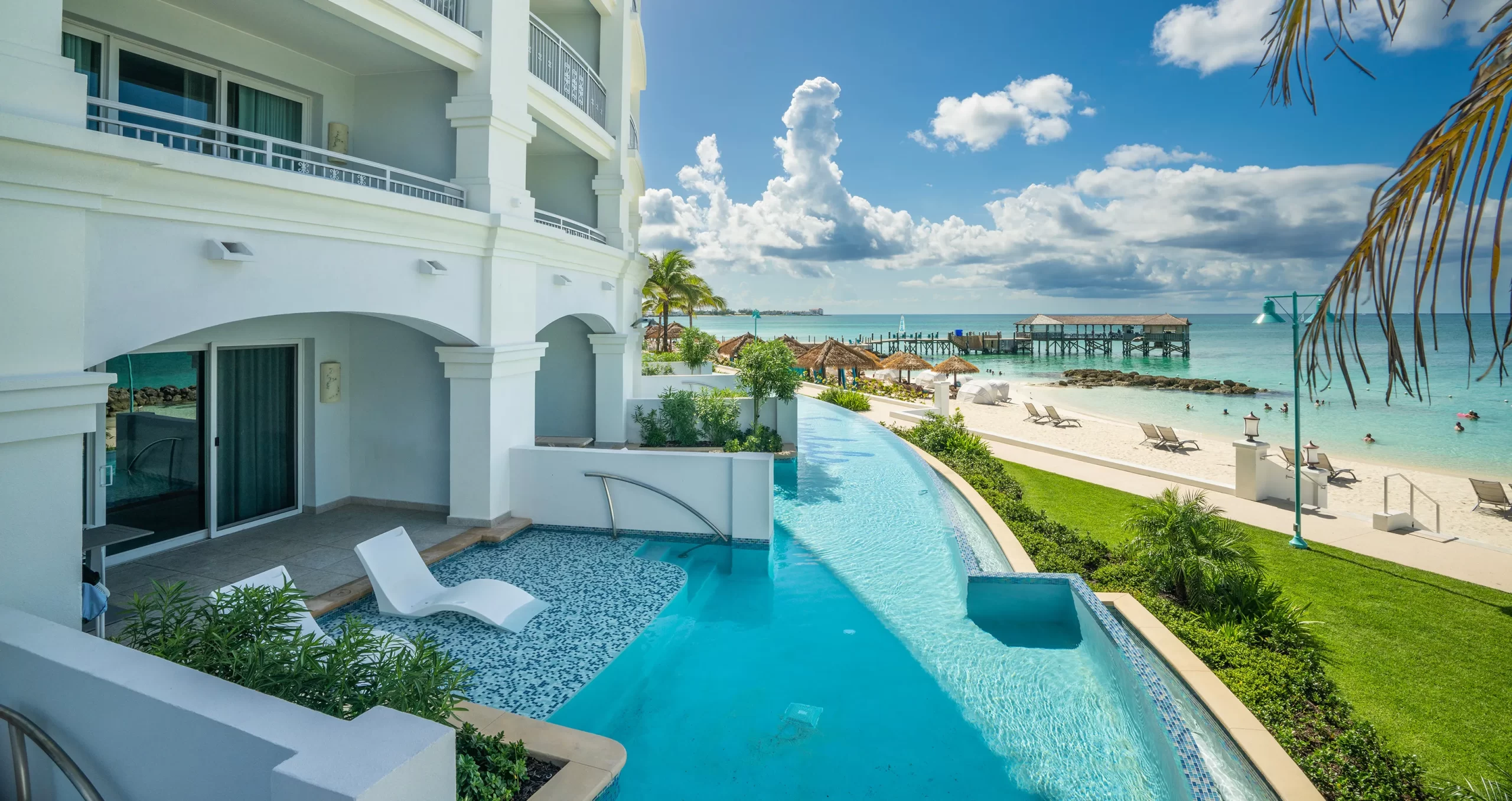
Our journey continues to Sandals Royal Bahamian, yet another grand establishment in the Sandals Resort family. One of the things I love most about this place is the proximity to the airport. The resort is just 15 minutes away, meaning your adventure will start in no time. And this is just the beginning of it!
Unlike all of the previously mentioned best Sandals Resorts, this one has a distinct European vibe mixed with traditional Caribbean elements. It’s almost like you’re getting the best of both worlds!
And if that’s not enough, Sandals Royal Bahamian has a private offshore island! The Sandals Barefoot Cay is the perfect place where you can do tons of water activities, and there’s even a lagoon-style pool if you just want to chill. I can tell by just this description alone, you’re already perched to get there.
Accommodations
There’s a little something for every style here, from beachfront walkouts and swim-up suites to secluded villas tucked away in the gardens. Rooms are spread across the Balmoral and Windsor Towers, and if you’re looking to upgrade your stay, you can go for Club or Butler Level for more perks like concierge service or a personal butler.
Rooms are modern, comfortable, and come with the usual Sandals touches: king beds, stocked minibars, and cozy outdoor spaces.
Dining & Drinking
You’ve got 10 restaurants to pick from, and there’s a pretty solid variety. La Plume does elegant French cuisine, Butch’s is where you go for steak, and Aralia House, over on the private island, is perfect for seafood with a view.
Want something more laid-back? There are two food trucks serving local bites and sweet treats like crepes. There are also eight bars scattered around, including swim-up and beachside options, so you’re never far from a cocktail.
Activities & Experiences
There’s plenty to do here if you’re feeling active – kayaking, paddleboarding, snorkeling, and even scuba diving if you’re certified. On land, there’s a fitness center, beach volleyball, and seven pools to hop between.
Barefoot Cay, the private island, has its own beach, pool, whirlpool, and restaurant, and it’s super easy to get to via shuttle boat. At night, you can catch live shows, themed parties, or just hang out at the piano bar.
Why You Should Pick Sandals Royal Bahamian
- It’s super close to the airport, which means no long transfers
- Barefoot Cay is a total game-changer for beach days
- The food options are varied and actually really good
- Great mix of chill and lively, depending on what you’re in the mood for
- Beautiful rooms and some cool upgrade options with butler service
Key Considerations
- It’s not the quietest Sandals — it’s social and upbeat, especially at night
- Some restaurants do require reservations and have a dress code
- The beach on the main property is nice, but can get busy at times
- Book early if you’ve got your heart set on a swim-up or villa-style room
Real Reviews
“We have been going to the Royal Bahamian for one of our annual vacations for five years. We have already scheduled our 2026 trip there. We like the private villas with butler service. The people are always amazing. The resort is extremely clean and well cared for. There are lots of options for dining, recreation, swimming, etc. The resort even has its own private island with regular boat ferries.”
13. Sandals Halcyon Beach
|
|
Would you like to escape to the Caribbean’s “Garden of Eden”? If so, Sandals Halcyon Beach has your name written all over it!
At this all-inclusive Sandals Resort, serenity reigns supreme. This is the perfect getaway for couples who just want to unplug and live life at a slower pace for just a few days. Out of all the St. Lucia Sandals Resorts, this one is the most low-key, and the surroundings and proof of that – tropical gardens and pristine beaches will follow you everywhere you go.
With that said, don’t expect any wild parties or grand social events at Sandals Halcyon Beach. Instead, it is all about tropical coziness, peace, and privacy. And of course, the all-inclsuive amenities Sandals is best known for
Accommodations
Rooms at Sandals Halcyon Beach are nestled into the gardens or right by the beach, and they’re designed to feel like your own little retreat. You’ll find everything from simple, charming rooms with garden views to beachfront walkouts and private Rondoval Suites with their own plunge pools and outdoor showers.
Rooms come with the usual Sandals perks – nothing flashy, just clean, comfortable, and romantic. If you’re after a more pampered experience, Butler and Club Level rooms come with extra perks like personal concierge service or full butler assistance.
Dining & Drinking
Even though the resort is on the smaller side, you still have six restaurants on-site, and they cover a good range. Kelly’s Dockside is a fan favorite, set right over the water with a relaxed seafood menu and great sunset views. Mario’s serves hearty Italian, and Soy has your sushi cravings covered. You can also enjoy teppanyaki at Kimonos or Caribbean classics at the beach grill.
Because Halcyon is part of the “Stay At One, Play At Three” program, you can also eat and drink at Sandals Grande St. Lucian and Sandals Regency La Toc, giving you access to a total of 27 restaurants and bars across all three resorts.
Activities & Experiences
If you want to stay active, there’s plenty to do, but the vibe is definitely more “relax and recharge” than “nonstop action.”
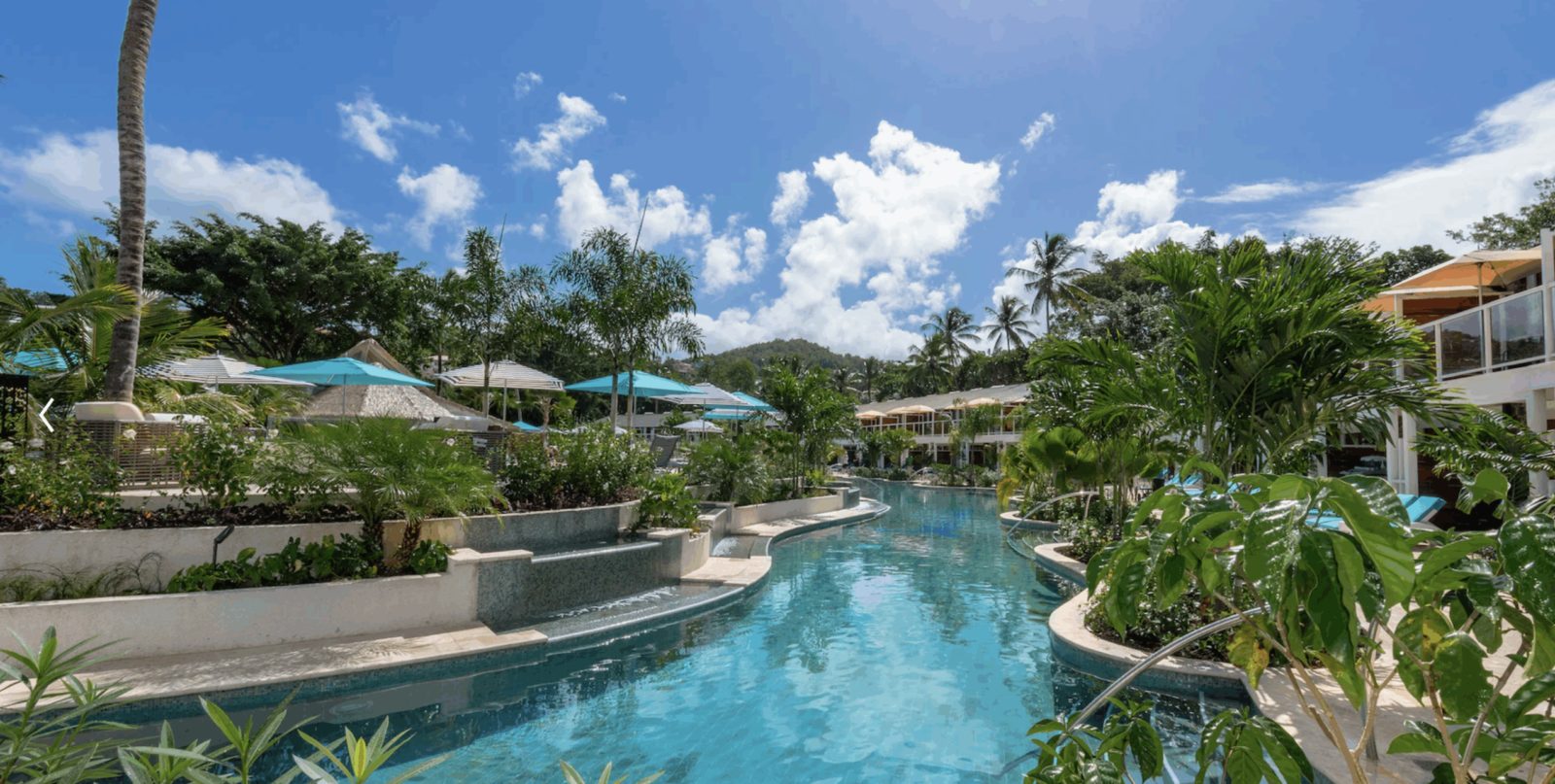
Halcyon is home to the longest pool in the Eastern Caribbean, which winds its way through the property. You’ve got two other pools to dip into, plus whirlpools, a fitness center, and daily activities like beach volleyball and yoga. Water sports like kayaking, paddleboarding, snorkeling, and even scuba diving (for certified guests) are included.
In the evenings, there’s usually live music, Caribbean-themed nights, or entertainment by the pool, but nothing over the top. It’s more mellow than party-driven.
Why You Should Pick Sandals Halcyon Beach
- It’s quiet, green, and feels like a tropical garden paradise
- Smaller size makes everything feel more intimate and relaxed
- You still get access to two larger Sandals resorts nearby with way more dining and activity options
- The long, winding pool is a highlight – great for photos and lazy floats
- Great for couples who want privacy without feeling isolated
- Very friendly staff and easy-to-navigate layout
Key Considerations
- It’s definitely on the quieter side – great for chill vibes, but not the place for late-night parties
- The beach is nice, but it’s smaller and calmer compared to what you’ll find at Sandals Grande
- Some of the rooms are a little more traditional in design – if you prefer ultra-modern, go for a renovated suite
- Because it’s the smallest of the three, room availability can be tight, especially for butler or swim-up categories
- Restaurants can fill up quickly, so it’s smart to make a few reservations when you arrive
Real Reviews
“We celebrated my husband’s birthday at Sandals Halcyon in March 2025. It is now one of our favorite Sandals resorts. The resort was well-maintained and immaculate. Every employee we encountered was very friendly and helpful. Our butlers Princess, Shervon and Viona were super attentive and made our stay wonderful. The servers at the quiet pool were constantly bringing drinks. Our room was incredible (Halcyon Shore House Butler Suite w/Balcony Tranquility Soaking Tub). We were lulled to sleep every night by the ocean waves gently crashing just in front of our balcony. We definitely plan to come back again and again.”
14. Sandals Royal Plantation
|
|
While all of the best Sandals Resorts we’ve seen so far have been grand and “over-the-top”, Sandals Royal Plantation might surprise you! Namely, this is the smallest resort in the resort chain, boasting a total of 74 all-butler rooms. With that in mind, this makes it the perfect spot for an upscale and tranquil retreat!
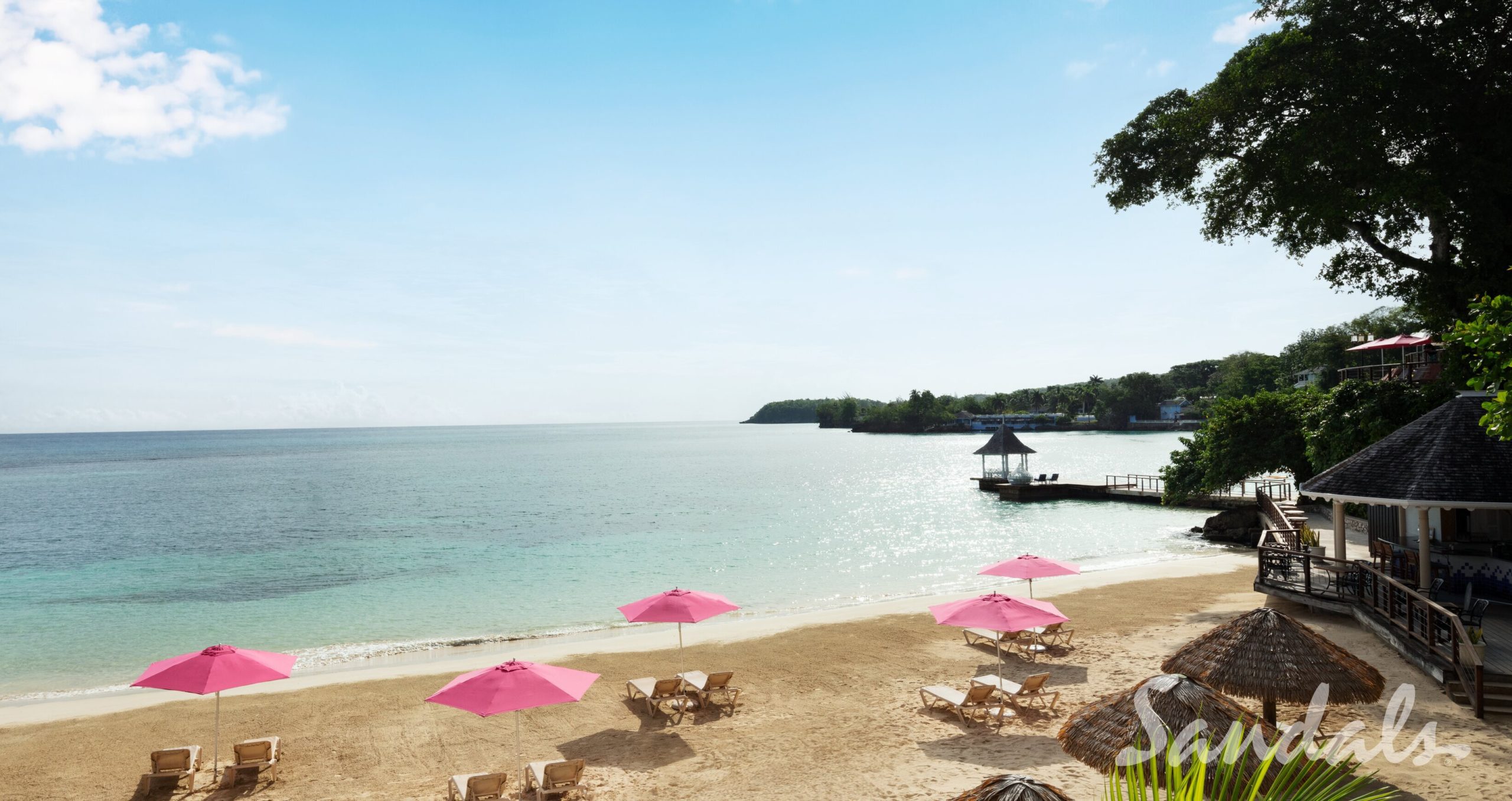
However, even though it’s small, the boutique resort has all of the amenities Sandals is best known for. It offers breathtaking views of the ocean, two idyllic beaches, and elegant interiors that will charm you as soon as you lay eyes on them.
Accommodations
Every room here is a suite, and every suite comes with butler service, so you’re guaranteed VIP treatment no matter which one you book. The rooms are spacious, traditionally styled, and all come with ocean views, elegant four-poster beds, large bathrooms, and a stocked minibar.
If you want extra space or total privacy, the Villa Plantana is a three-bedroom oceanfront villa with its own private pool, patio, and dedicated staff, perfect if you’re celebrating something special. No matter the suite, you’ll get 24/7 room service and those little extras that make a big difference (like fresh coffee on your balcony each morning).
Dining & Drinking
There are five restaurants on-site, and while it’s a smaller resort, the food is top-notch. Le Papillon offers elegant French cuisine in a formal setting, while The Terrace serves breakfast and dinner with sweeping views of the water. The Royal Grill down by the beach is perfect for seafood and grilled favorites, and Wobbly Peacock is your go-to British pub for a more casual bite.
One of my favorite experiences here is afternoon tea on the Tea Terrace, served daily with finger sandwiches, pastries, and sweeping views of the Caribbean. It’s a nod to the resort’s classic roots and totally worth carving out time for.
If you want even more variety, you can hop over to Sandals Ochi (just 5 minutes away) for access to over a dozen additional restaurants.
Oh, and yes, there’s a champagne and caviar bar. Enough said.
Activities & Experiences
Even though Sandals Royal Plantation is on the quieter side, there’s still plenty to do if you want to mix in some activity with your downtime. You get free green fees and transfers to the nearby Upton Estate Golf & Country Club, and there are a variety of non-motorized water sports available, like snorkeling, kayaking, paddleboarding, and sailing.
The Red Lane Spa is available if you’re in full relaxation mode. In the evenings, you can catch live music on the terrace or head to Sandals Ochi for more upbeat nightlife and entertainment if you’re craving a little more energy.
Why You Should Pick Sandals Royal Plantation
- Super intimate and quiet, ideal for relaxing, not rushing
- Every room is ocean-view and comes with butler service
- Daily afternoon tea is a lovely (and delicious) tradition
- Champagne and caviar bar adds a unique luxury touch
- Free access to golf and a wide range of water activities
- You also get access to Sandals Ochi’s restaurants and nightlife
Key Considerations
- The décor leans classic and traditional. If you prefer ultra-modern, this might not be your vibe
- It’s designed for downtime, so there’s not a ton of daytime or late-night action
- The beach is beautiful, but smaller than at some other Sandals resorts
- With only 74 suites, it books up fast, especially the more premium categories
- Pool area is more for lounging and reading than doing laps or partying
Real Reviews
“My husband and I visited Royal Plantation as first time Sandals guests, and not only were we pleasantly surprised, but it exceeded our expectations. As this is an historic Jamaican property, it has a timeless class and elegance about it, a real boutique experience. This was emphasized for us when we took advantage of the opportunity to visit the Sandals Dunns River property – a large, glitzy complex. We had a lovely dinner, but it was a bit of sensory overload and we were glad to return to the quiet comfort of the Royal Plantation.”
15. Sandals Ochi Beach
|
|
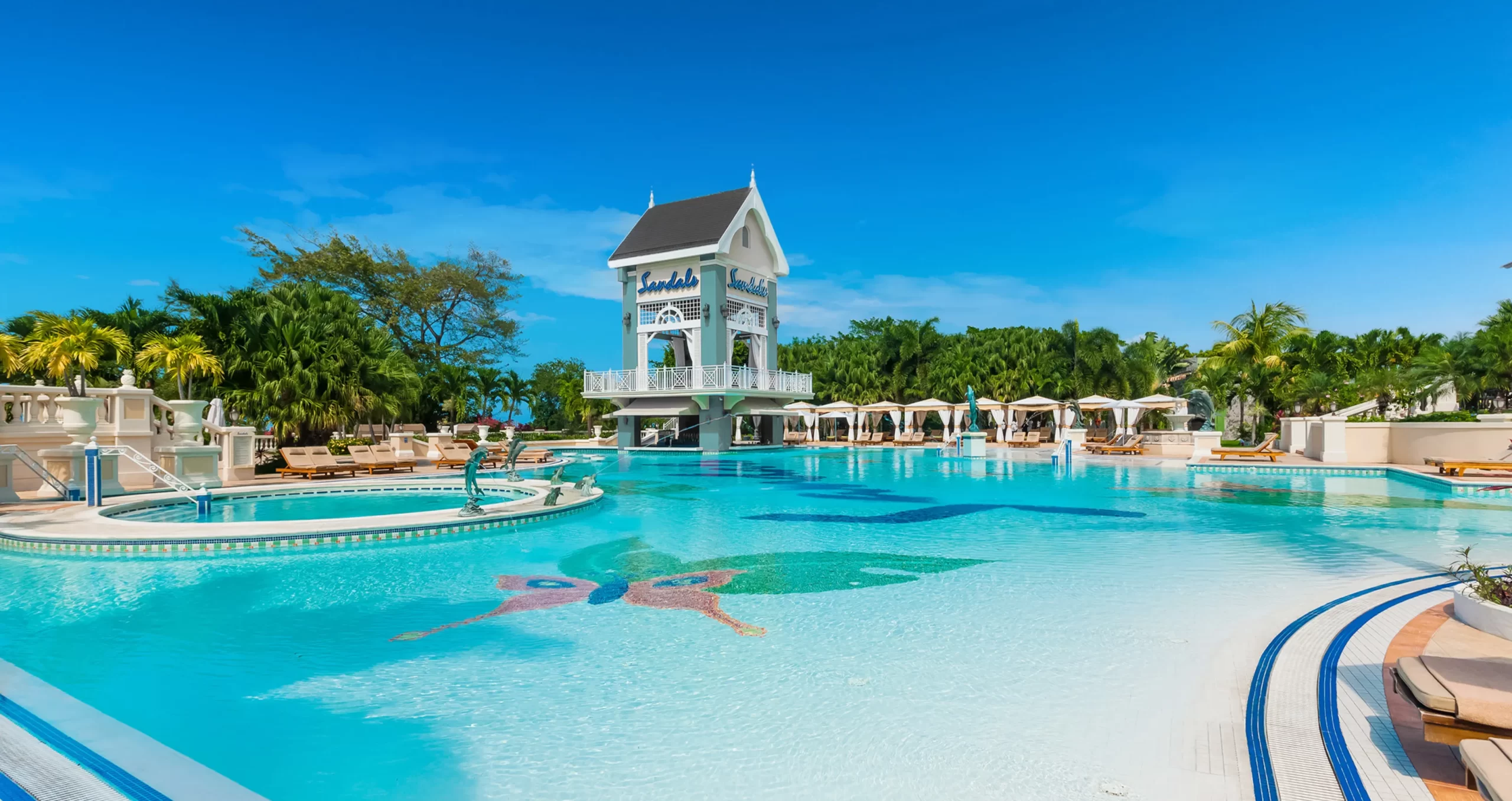
I know what you’re thinking – “105 pools? That must be some sort of typo!” Turns out, it’s not! Sandals Ochi Beach indeed has 105 pools, and it is the liveliest out of all the Sandals Resorts we’ve seen so far!
Boasting over 100 acres of green spaces, Sandals Ochi Beach is the largest Sandals Resort. It perfectly balances privacy and activity, making it a fantastic option for pretty much everything! Given the number of rooms, the atmosphere can get a little bit “too much”, but if you’re a social butterfly who thrives in social situations, you might have just found your ideal escape!
Accommodations
With over 500 rooms, you’ve got options – lots of them. From affordable, stylish rooms close to the beach to private hillside villas with butler service and semi-private pools, there’s something for every kind of couple.
The Butler Village feels like a secluded mini-resort, and some suites even come with their own private garden or pool. Want the VIP treatment? Book a Butler Elite suite and enjoy personalized service that includes unpacking, reserving loungers, and bringing you drinks. Basically, you won’t have to lift a finger!
Dining & Drinking
With 16 restaurants and 11 bars, foodies won’t be bored. Whether you’re in the mood for sushi, Caribbean jerk chicken, wood-fired pizza, or a white-tablecloth steakhouse experience, it’s all here.
Le Gourmand is your go-to for French cuisine, while Sky Terrace is a beautiful spot for breakfast or cocktails with a view. And don’t miss the speakeasy-style Rabbit Hole bar. You’ll need a password from your butler or staff to get in, and it’s worth it.
Drinks are unlimited (of course), and the variety of bars, from beach bars to piano lounges, means you’ll always find a spot that matches your energy.
Activities & Experiences
Sandals Ochi is definitely one of the more activity-packed Sandals resorts. You’ve got seven pools, a dozen whirlpools, two beaches, a golf course, and every water sport you can imagine.
Prefer to keep it dry? Hit the tennis courts, take a fitness class, or book a spa treatment at the Red Lane Spa.
At night, the resort turns up the volume. Between live shows, beach parties, themed events, and the Rabbit Hole’s nightly performances, you won’t be short on things to do after dark.
Why You Should Pick Sandals Ochi Beach
- You want a fun, social atmosphere with tons to do
- You like the idea of having 16 restaurants without leaving the property
- The hillside villas with butlers offer great value for more privacy
- Nightlife and entertainment are a priority on your trip
- Access to a free golf course is a nice bonus
- Great option for couples who want flexibility – chill one day, party the next
Key Considerations
- The property is large and hilly, so be ready to take shuttles or do some walking
- If you’re after pure serenity, this probably isn’t the right Sandals resort – it’s busy and energetic
- Some of the rooms (especially in lower categories) are a little more dated in decor
- The beach area is beautiful, but it’s smaller compared to other Sandals resorts with longer coastlines
- Due to its size, it may take a day or two to get familiar with where everything is
Real Reviews
“First time to Jamaica and Sandals for my boyfriend and me.
Amazing resort, the Staff are so friendly and the views are breathtakingly beautiful.
We were there for a week and loved every minute. The food was delicious, BF loved the Italian restaurant. He has a fish allergy, so he pretty much ate steak every night, but he said it was delicious. The Jerk chicken shack had THE best chicken, The Hill side of the resort has more of a party vibe around the main pool which was fun. The Beach side where our room was, was a little more relaxed and chill vibes. We tried all the bars and lots of different cocktails, Will definitely be returning to s Sandals resort.”
16. Sandals Barbados
|
|
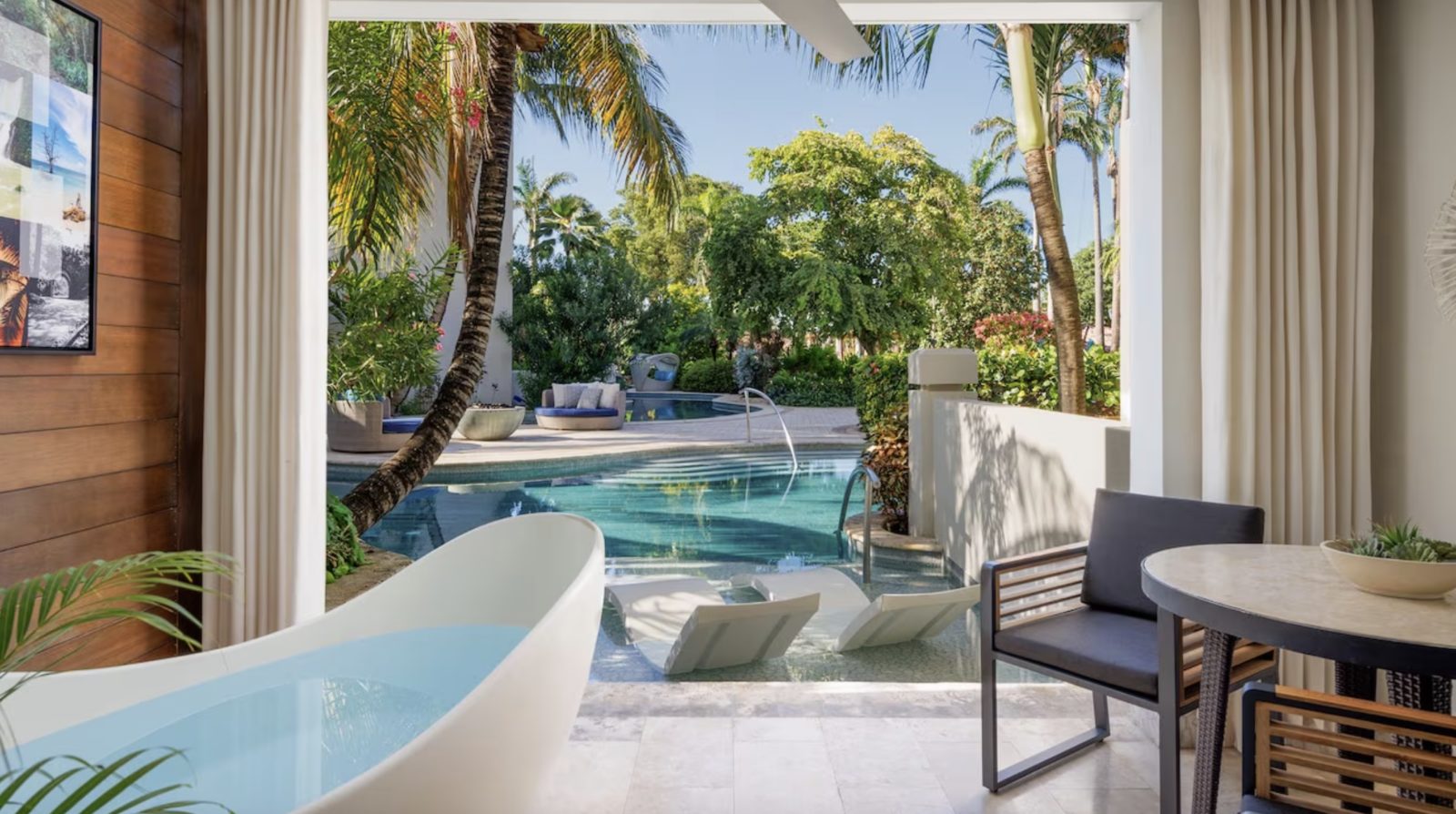
If you’re looking for a Sandals that perfectly balances relaxation with a bit of buzz, Sandals Barbados is a great pick. Set on the popular Dover Beach in St. Lawrence Gap, this place blends luxury with the laid-back charm Barbados is known for.
It’s adults-only, all-inclusive, and designed for couples who want variety, whether that’s lounging by the pool all day, hopping between restaurants, or staying out late at the bowling alley next door. It’s stylish without trying too hard, and you’ll notice a good mix of quiet corners and more social spaces.
Accommodations
Rooms at Sandals Barbados range from sleek and simple to full-on indulgent. If you’re into the idea of stepping out of your suite straight into the pool, go for the Crystal Lagoon Swim-up Suites, the fan favorite. For something a little more private, the beachfront suites and butler-level options give you a more tucked-away, pampered experience.
As a bonus, you get full access to the neighboring Sandals Royal Barbados, which expands your pool, restaurant, and room options without having to book a different resort.
Dining & Drinking
Let’s talk food, because there’s a lot of it! Between Sandals Barbados and Royal Barbados, you’ve got 21 restaurants and 14 bars to try, and it’s all included.
Want sushi? You’ve got it. Craving Indian? Bombay Club delivers. In the mood for a laid-back beach grill or an upscale steakhouse? Both are here. You can do casual lunches at The Mariner Seaside Grill or dress up for dinner at Butch’s Chophouse.
And yes, the drinks flow freely. There are swim-up bars, rooftop bars, and even a craft beer bar at Lovers Lane if that’s more your thing. You’ll never have to wait long for a cocktail – or a second one.
Activities & Experiences
Whether you’re here to chill or fill your day with activities, Sandals Barbados gives you options. Water sports like kayaking, paddleboarding, and snorkeling are all included. You can also sign up for a diving session if you’re certified. On land, there’s beach volleyball, yoga, and a full gym if you’re trying to keep up with your workouts (or sweat out last night’s rum punch).
Want more entertainment? Hop over to Sandals Royal Barbados for the Lovers Lane Bowling Alley, rooftop pool vibes, and the longest lagoon pool in the Caribbean. Evenings feature everything from fire dancers and live music to themed nights and Caribbean beach parties.
Why You Should Pick Sandals Barbados
- Two resorts in one: full access to Sandals Royal Barbados next door
- Tons of dining variety – you could eat somewhere new every meal
- Lively but not overwhelming, with chill and social spaces depending on your mood
- Swim-up suites, rooftop pools, and beachfront butler rooms
- In the heart of St. Lawrence Gap, so you can explore the local scene easily if you want to
- Great for foodies, fun-seekers, and couples who like variety
Key Considerations
- It’s more social than secluded—if you’re after ultra-quiet, look elsewhere
- The beach is beautiful, but it’s not super long, and can get busy during the day
- With 21 restaurants, reservations are a good idea for the more popular ones
- Because it’s connected to another resort, it can take a bit to get your bearings at first
- Swim-up and butler suites sell out quickly—book early if you’ve got your heart set on one
Real Reviews
“The resort is absolutely beautiful. It is actually two resorts in one so with the addition, you have extra restaurants to choose from. Everything is clean, and some areas are being upgraded. The rooms are very nice and the air conditioning works very well, you can freeze yourself out which is rare for some resorts.”

|
|
Last but certainly not least on my best Sandals Resorts ranked list is Sandals Negril. It’s situated along the wildest stretch of Jamaica’s Seven Mile Beach, making this the ultimate place to unwind.
Even though Sandals Resorts are known to be quite opulent, this one feels heavily luxurious but not pretentious. It’s laid-back, peaceful, and offers just about everything to make your Caribbean getaway nothing short of unforgettable.
Accommodations
Accommodations at Sandals Negril cater to a variety of preferences. For those seeking luxury, the Bamboo Grove One-Bedroom Skypool Butler Suite offers a private infinity-edge plunge pool with stunning ocean views. If you prefer direct beach access, the Beachfront Swim-Up Suites provide just that, along with personalized butler service.
Dining & Drinking
With eight restaurants on-site, your taste buds are in for a treat. Enjoy Latin fusion at Perla, Spanish tapas at Brava, or fresh seafood at Barefoot by the Sea. For a fun dining experience, Kimonos offers teppanyaki-style cooking with a side of entertainment.
Don’t miss Crema for your morning coffee or a sweet treat!
Activities & Experiences
Whether you’re an adventure seeker or a relaxation enthusiast, Sandals Negril has something for you. Dive into PADI-certified scuba diving, or try your hand at waterskiing, wakeboarding, and snorkeling.
Prefer land-based activities? Engage in tennis, pickleball, or unwind with a yoga session. Evenings come alive with live shows and themed parties, offering the perfect end to your day.
Why You Should Pick Sandals Negril
- Prime location on Seven Mile Beach
- Diverse dining options with global cuisines
- Wide range of water and land activities
- Luxurious accommodations with personalized services
- Vibrant yet relaxed atmosphere
Key Considerations
- The resort layout is long and narrow along the beach, so expect a bit of walking between some rooms and amenities
- While most areas are peaceful, music and activity near the main pool or beach bars can be heard from nearby rooms
- Negril is known for its stunning sunsets, but some rooms don’t have direct sunset views – be sure to check room details when booking
- Because it’s on the public Seven Mile Beach, you may occasionally encounter beach vendors (they’re friendly, but persistent)
- If you’re sensitive to sound, note that some beachfront rooms are close to the action and might not be as quiet in the evenings
Real Reviews
“We just returned from Sandals Negril and the trip was amazing. The beach and water can’t be beat! The calmest beach water that is great for relaxing and also water sports. We enjoyed snorkeling, kayaking, and the paddle boards. The water is so clear, you can see star fish, sting rays and sea turtles during the water activities.
The food was great and the staff is the nicest you will find. Can’t wait to go back!!”
Sandals Resorts FAQ
What’s Included At a Sandals Resort?
A lot more than you might expect! At every Sandals resort, your stay includes unlimited food and drinks, water sports like kayaking and snorkeling, land activities like tennis and fitness classes, nightly entertainment, airport transfers, and even tips, taxes, and gratuities. Some resorts also include extras like scuba diving, golf, and green fees, so it really is a true all-inclusive experience.
Do I Need Reservations For Restaurants and Activities?
Some restaurants, especially fine dining or specialty venues like teppanyaki and steakhouses, require dinner reservations. You can make these upon arrival. Most water and land activities do not require reservations, but scuba diving, spa treatments, and off-site excursions should be booked early due to limited availability.
Can I Access Other Sandals Resorts Nearby?
Yes. In destinations where multiple Sandals resorts are located (like Saint Lucia, Jamaica, and Barbados), guests can use the “Stay at One, Play at All” program. This gives you access to nearby Sandals properties, including their restaurants, bars, beaches, and amenities. Complimentary transportation is provided between resorts.
Key Takeaways
- Top 3 Sandals resorts in 2026: Sandals Grande St. Lucian (honeymoons), Sandals Grenada (intimate getaways), Sandals Dunn’s River (modern luxury)
- All 17 Sandals resorts are ranked based on personal visits, with ratings for beach quality, food, romance, and value
- Prices range from $250/night (Sandals Montego Bay) to $700/night (Sandals St. Vincent butler villas) — everything is all-inclusive
- Best value pick: Sandals Montego Bay. Best splurge: Sandals St. Vincent with overwater butler villas opened in 2024
Sandals Resorts Comparison — 2026 Rankings
| Resort | Location | Price | Beach | Food | Romance | Restaurants | Best For |
|---|---|---|---|---|---|---|---|
| Sandals Grande St. Lucian | St. Lucia | $316–$550/nt | 9.5 | 9.3 | 9.4 | 12 | Honeymoons |
| Sandals Grande Antigua | Antigua | $300–$520/nt | 9.3 | 9.0 | 9.1 | 11 | Beach lovers |
| Sandals Grenada | Grenada | $310–$500/nt | 9.0 | 8.8 | 9.2 | 10 | Intimate getaways |
| Sandals St. Vincent | St. Vincent | $409–$700/nt | 8.8 | 9.2 | 9.3 | 12 | Newest resort |
| Sandals Dunn’s River | Jamaica | $290–$480/nt | 8.5 | 9.1 | 9.0 | 14 | Modern luxury |
| Sandals South Coast | Jamaica | $280–$460/nt | 8.7 | 8.6 | 8.7 | 9 | Overwater bungalows |
| Sandals Royal Barbados | Barbados | $320–$560/nt | 9.0 | 9.0 | 8.8 | 16 | Upscale luxury |
| Sandals Montego Bay | Jamaica | $250–$400/nt | 8.2 | 8.0 | 7.9 | 8 | Budget-friendly |
Ratings by Steve Griswold, Sandals CRC Platinum Elite Advisor, based on personal visits to all 17 properties. Prices are 2026 low-season starting rates.
Tips and Tricks to Save on Your Sandals Resort Stay
Sandals resorts are all-inclusive, but the total cost of your trip can vary dramatically depending on when and how you book. After helping hundreds of couples plan their Sandals vacations over the past 15 years, here are the best ways to save money without sacrificing the experience.
Pro Tip: Before you book, our certified Sandals advisors at Pixie Vacations have put together a personalized Sandals resort guide that breaks down every property by couple type, trip length, and budget — no booking required to use it.
1. Book Through a Certified Sandals Travel Advisor
Booking through a Sandals Certified Travel Advisor (like our team at Pixie Vacations) gives you access to exclusive deals, room upgrades, and bonus perks that are not available when booking directly on the Sandals website. Certified advisors receive special group rates, early access to flash sales, and can often stack promotions that the general public cannot combine. Our clients regularly save $500 to $2,000 per booking compared to booking on their own.
2. Travel During Shoulder Season
The cheapest time to visit a Sandals resort is during shoulder season — typically mid-April through mid-June and again from September through mid-November. During these windows, nightly rates can drop 30% to 40% compared to peak season (December through March). The weather is still excellent, the resorts are less crowded, and you will receive more personalized attention from staff. Just be mindful that September and October fall within hurricane season, so travel insurance is strongly recommended.
3. Take Advantage of Sandals Promotions
Sandals runs frequent promotions throughout the year, including rack rate discounts of up to 65% off, free night offers (book 7 nights and get 3 free), and instant booking credits of $150 to $1,000 depending on the length of stay. Sign up for Sandals email alerts and work with your travel advisor to layer these promotions for maximum savings. Sandals also offers a price-match guarantee, so if you find a lower published rate within 24 hours of booking, they will match it.
4. Consider Butler-Level Suites for the Best Value
This might sound counterintuitive, but upgrading to a Butler Suite can actually deliver better overall value. Butler guests receive complimentary airport transfers (saving $100+ per couple), priority restaurant reservations, private dining on the beach, a fully stocked in-room bar with top-shelf spirits, and a dedicated butler who handles every detail. When you factor in these included perks, the per-night premium for butler service often pays for itself — and the experience is dramatically better.
5. Book Early and Lock In Your Rate
Sandals rewards early bookers with the lowest rates. Booking 9 to 12 months in advance typically yields the best pricing, especially for premium room categories and popular travel dates. Early booking also guarantees your preferred room type — many of the best suites sell out months ahead, particularly at smaller resorts like Sandals Grenada and Sandals Royal Plantation. And with Sandals’ flexible cancellation policy, you can lock in today’s price and adjust later if plans change.
6. Use the Sandals Select Rewards Program
If you have stayed at a Sandals resort before, make sure your booking is linked to your Sandals Select loyalty account. Returning guests earn points toward future stays, receive room upgrades when available, and get access to members-only rates. After your third stay, you reach Platinum status, which includes additional perks like complimentary catamaran cruises and spa discounts.
How We Rank Our Sandals Resorts
Our Sandals resort rankings are based on a comprehensive evaluation system developed over 15 years of booking and reviewing Sandals properties. As a Sandals CRC Platinum Elite Advisor and Executive Preferred Agency, we have a level of access and insight that few travel publications can match.
Personal Resort Visits
Every resort on this list has been personally visited and evaluated by our team. We conduct on-site inspections of rooms across multiple categories, dine at every restaurant, test the bars and pools, and evaluate the beach, spa, and activity offerings. We also assess factors that most reviewers miss — like walk times between buildings, noise levels in different room blocks, and which room categories offer the best views relative to their price.
Guest Feedback and Satisfaction Data
We incorporate feedback from hundreds of couples we have booked at Sandals over the years. After each trip, our clients complete a detailed satisfaction survey covering accommodations, food quality, service, beach quality, and overall value. This real-world guest data is weighted heavily in our rankings because it reflects the actual experience — not just a curated press trip.
Rating Categories
Each Sandals resort is scored on a 10-point scale across six categories:
- Beach Quality — Sand texture, water clarity, crowd levels, and overall beauty
- Food and Dining — Restaurant variety, cuisine quality, reservation availability, and specialty dining options
- Romance Factor — Privacy, ambiance, sunset views, couples-specific experiences, and honeymoon amenities
- Accommodations — Room quality, bathroom fixtures, view, furnished balcony or patio, and butler service tiers
- Activities and Entertainment — Water sports, land activities, entertainment programming, and excursion options
- Overall Value — Price relative to quality delivered, factoring in room category, resort age, and included perks
The final ranking is a weighted composite of all six scores, with Beach Quality and Food carrying slightly higher weight since these are consistently the top two factors our clients cite as most important to their vacation satisfaction.
Annual Updates
We update these rankings at least four times per year to reflect renovations, new restaurant openings, management changes, seasonal variations, and evolving guest feedback. Each update is noted with a “Last Updated” date at the top of this article so you always know you are reading current information.
Steve Griswold is a Sandals CRC Platinum Elite Advisor and owner of an Executive Preferred Agency. He has personally visited all 17 Sandals Resorts and the Beaches properties.